
What's Happening?
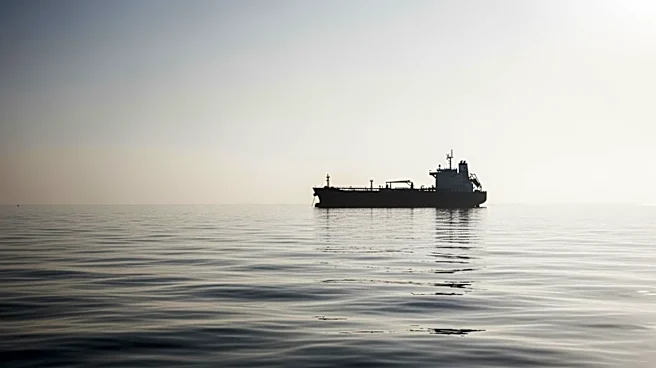
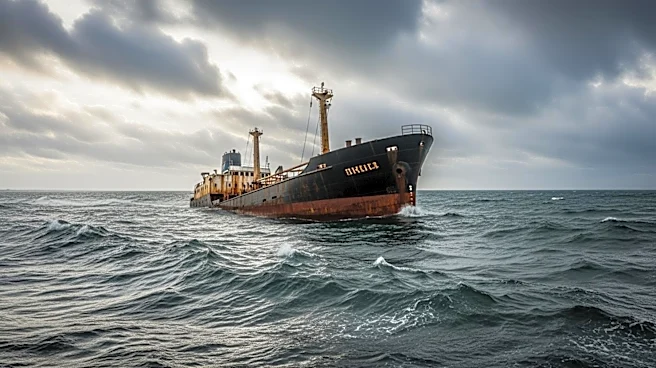
The Swedish Coast Guard has released the tanker Flora 1, which was previously detained on suspicion of causing an oil spill in the Swedish Exclusive Economic Zone (EEZ). The decision to release the vessel
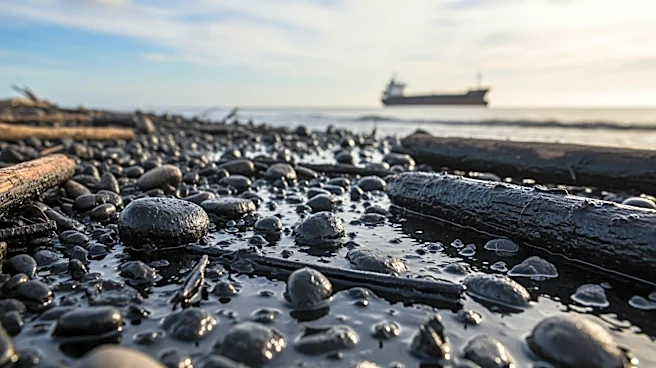
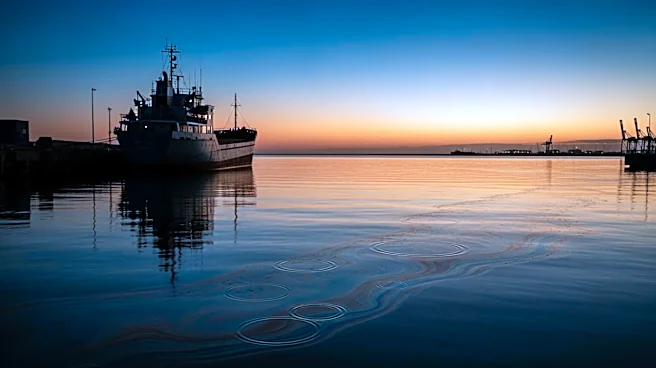
came after authorities were unable to prove environmental violations. The tanker was initially identified as the suspect when a monitoring plane spotted an eight-mile-long oil slick. Despite the release, Swedish prosecutors had charged two crewmembers with violating the Act on Measures to Combat Pollution from Ships. The investigation faced limitations due to international treaties, as the incident occurred in the EEZ rather than Swedish territorial waters. The tanker, built in 2005, had uncertainties regarding its flag registry, which was clarified when Cameroon confirmed its registration. The ship had previously displayed Sierra Leone as its registry, raising questions about its legitimacy.
Why It's Important?
The release of Flora 1 highlights the complexities of maritime law and the challenges in enforcing environmental regulations in international waters. The inability to prove violations underscores the limitations faced by countries in holding vessels accountable for pollution incidents outside their territorial waters. This case also emphasizes the importance of accurate flag registry and ownership documentation, which are crucial for legal proceedings. The incident has broader implications for maritime safety and environmental protection, as it demonstrates the need for international cooperation and robust regulatory frameworks to address pollution from ships. Sweden's continued detention of other vessels linked to Russia further illustrates the ongoing efforts to maintain order at sea and protect the environment.
What's Next?
Sweden continues to detain two other ships linked to Russia, requiring proof of flag registry and insurance before they can sail. The captains of these ships have been arrested for presenting false information during the investigation. The Swedish authorities are likely to maintain their vigilance in monitoring maritime activities to prevent environmental violations. This incident may prompt discussions on strengthening international maritime laws and improving cooperation among countries to address pollution and safety issues effectively.