




What's Happening?
The autumnal equinox in 2026 will occur on Wednesday, September 23, at 00:05 UTC. This astronomical event signifies the official start of autumn in the Northern Hemisphere and spring in the Southern Hemisphere. The equinox is a precise global moment when
the sun crosses the celestial equator, moving from north to south. Due to Earth's axial tilt and its orbit around the sun, this crossing results in gradually shorter daylight hours and cooler temperatures in the Northern Hemisphere. While the term 'equinox' literally means 'equal night,' atmospheric refraction and the method of measuring sunrise and sunset mean that most locations experience slightly more daylight than darkness on this day. The exact calendar date of the equinox can vary between September 21, 22, 23, or occasionally 24, depending on the year and time zone.
Why It's Important?
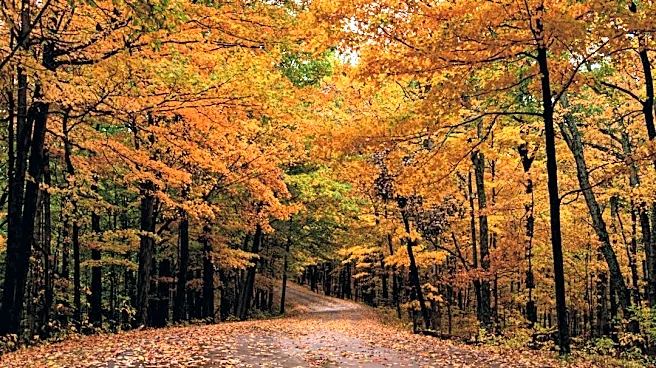
The autumnal equinox holds cultural and practical significance across the U.S. and globally. For many, it marks a transition point, influencing seasonal traditions, agricultural practices, and daily routines. The shift to shorter days and cooler weather impacts industries such as agriculture, tourism (especially for fall foliage), and retail, as consumer spending patterns change with the seasons. Understanding the precise timing of the equinox is crucial for various sectors, from meteorology for climate tracking to event planning for seasonal celebrations. It also serves as a reminder of the Earth's astronomical cycles, connecting human activities to natural phenomena and fostering a sense of seasonal awareness and preparation for the colder months ahead.
What's Next?
Following the autumnal equinox, the Northern Hemisphere will experience a continued decrease in daylight hours and a general trend towards cooler temperatures, leading up to the winter solstice in late December. This period will see the peak of fall foliage in many regions, driving tourism and outdoor activities. Businesses will adapt to seasonal demands, with retailers focusing on fall and winter merchandise, and agricultural sectors completing harvests. Communities will engage in various fall traditions, from pumpkin picking to seasonal festivals. The shift also prompts preparations for colder weather, including home maintenance and energy consumption adjustments, as individuals and industries brace for the change in climate.
Beyond the Headlines
Beyond its astronomical definition, the autumnal equinox carries deeper cultural and psychological implications. It often symbolizes balance, reflection, and preparation for introspection as nature turns inward. Many cultures worldwide have historically observed the equinox with rituals and celebrations marking harvest and gratitude, reflecting humanity's ancient connection to celestial cycles. In modern society, it can serve as a natural checkpoint for personal and collective transitions, encouraging individuals to acknowledge endings and beginnings. The subtle discrepancy between 'equal night' and actual daylight hours also highlights the complexities of scientific measurement versus common perception, offering a nuanced understanding of natural phenomena.