
What's Happening?
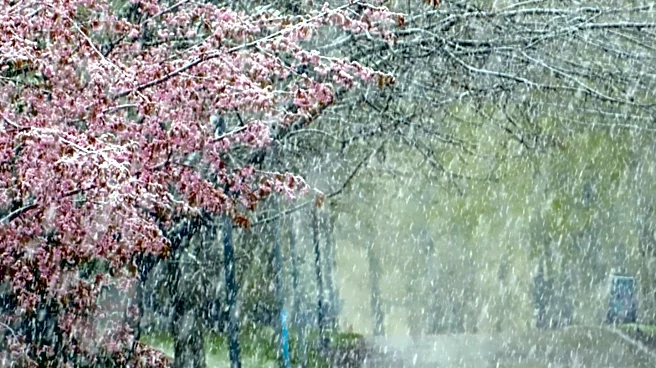
On November 13, 2026, Massachusetts experienced a mix of chilly rain and light snowfall across different parts of the state. While most areas reported rain, higher elevations saw some snowfall. Weather
spotters across the state reported these conditions to the National Weather Service. Snowfall totals included 3.0 inches in East Hawley and 1.4 inches in Shelburne Falls in Franklin County, with smaller amounts reported in Worcester County, such as 0.5 inches in Royalston and 0.4 inches in Paxton. Rainfall was more widespread, with significant amounts in Berkshire County, including 1.03 inches in New Ashford, and in Franklin County, with Buckland receiving 1.13 inches. Other counties like Bristol, Dukes, Essex, Hampden, Hampshire, and Middlesex also reported varying rainfall totals.
Why It's Important?
The weather patterns in Massachusetts, including chilly rain and light snowfall, are important for several reasons. Such conditions can impact daily life, including transportation and outdoor activities, potentially leading to hazardous driving conditions due to slick roads. For agriculture, early season snowfall or significant rainfall can affect soil moisture levels and the timing of agricultural tasks. From an economic perspective, weather events can influence local businesses, particularly those reliant on outdoor operations or tourism. Furthermore, these reports contribute to a broader understanding of regional climate trends and seasonal variations, which are crucial for long-term planning in sectors like infrastructure, emergency services, and resource management. The data collected by weather spotters provides valuable real-time information for public safety and preparedness.
What's Next?
As Massachusetts experiences these early winter weather patterns, residents and local authorities will continue to monitor forecasts for further precipitation and temperature changes. The reported snowfall and rainfall totals will be used by meteorologists to refine predictions and issue advisories as needed. Local departments of public works will remain prepared for potential road treatments and snow removal operations, especially in areas that received measurable snow. Individuals should stay informed about weather updates and adjust travel plans accordingly. The ongoing collection of data from weather spotters will be crucial for understanding the progression of seasonal weather and for informing future preparedness efforts across the state.
Beyond the Headlines
The occurrence of chilly rain and light snowfall in Massachusetts highlights the dynamic nature of New England weather and its immediate impact on daily life. Beyond the practical considerations of travel and outdoor activities, these weather events can subtly influence local ecosystems, affecting wildlife behavior and plant cycles. For instance, early snow cover can provide insulation for certain plants and small animals. The detailed reporting by weather spotters underscores the importance of community involvement in scientific data collection, contributing to a more comprehensive understanding of microclimates within the state. This collective effort in monitoring weather patterns is a testament to the interconnectedness of human activity and the natural environment, emphasizing the need for continuous adaptation and preparedness in the face of changing climatic conditions.