
What's Happening?
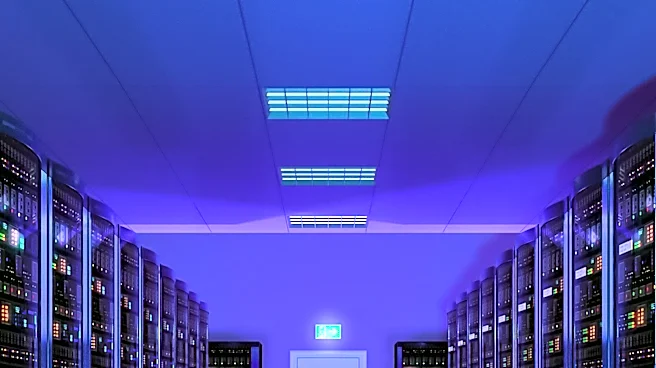
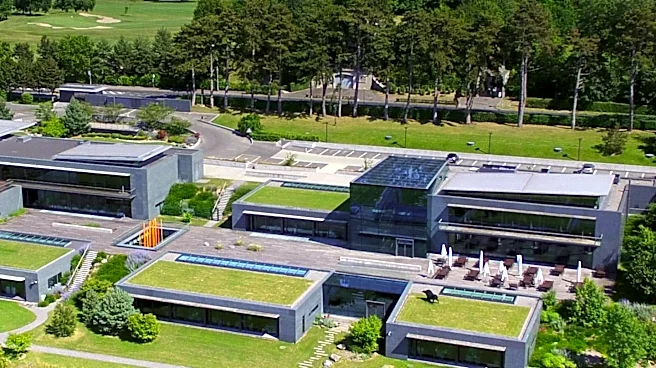
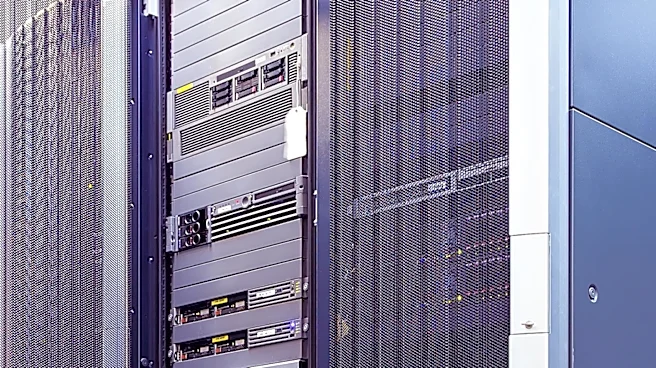
Members of the U.S. agricultural community, including Texas Agriculture Commissioner Sid Miller, are expressing concerns about the proliferation of data centers and their impact on farmland and rural areas.
Commissioner Miller has called for a special legislative session to address these issues, highlighting the loss of farmland, increased pressure on the electric grid, and threats to water supplies. Despite a recent withdrawal of a data center project near Cedar Creek Lake, Texas remains a hotspot for data center construction, with 580 centers active or under construction. Virginia leads the nation with 736 data centers, largely due to Loudoun County's role in handling a significant portion of global internet traffic. A survey by the University of Illinois indicates that rural residents are more concerned about the impacts of data centers on agricultural land use and electricity costs compared to urban residents.
Why It's Important?
The expansion of data centers poses significant challenges to rural communities and agricultural stakeholders. The construction of these facilities often leads to the conversion of farmland, which can have long-term implications for food production and rural economies. Additionally, data centers are known for their high energy consumption, which can strain local power grids and increase electricity costs for residents. The concerns raised by Commissioner Miller and others highlight the need for a balanced approach to technological development that considers the environmental and economic impacts on rural areas. Addressing these issues is crucial for ensuring sustainable growth and protecting vital agricultural resources.
What's Next?
The call for a special legislative session in Texas suggests that there may be forthcoming policy discussions or regulations aimed at managing the growth of data centers. Stakeholders, including agricultural groups and rural communities, are likely to advocate for measures that protect farmland and address infrastructure concerns. The outcome of these discussions could influence how data centers are sited and operated in the future, potentially leading to stricter zoning laws or incentives for sustainable practices. Monitoring the legislative response and community engagement will be key to understanding the future landscape of data center development in rural areas.