

What's Happening?
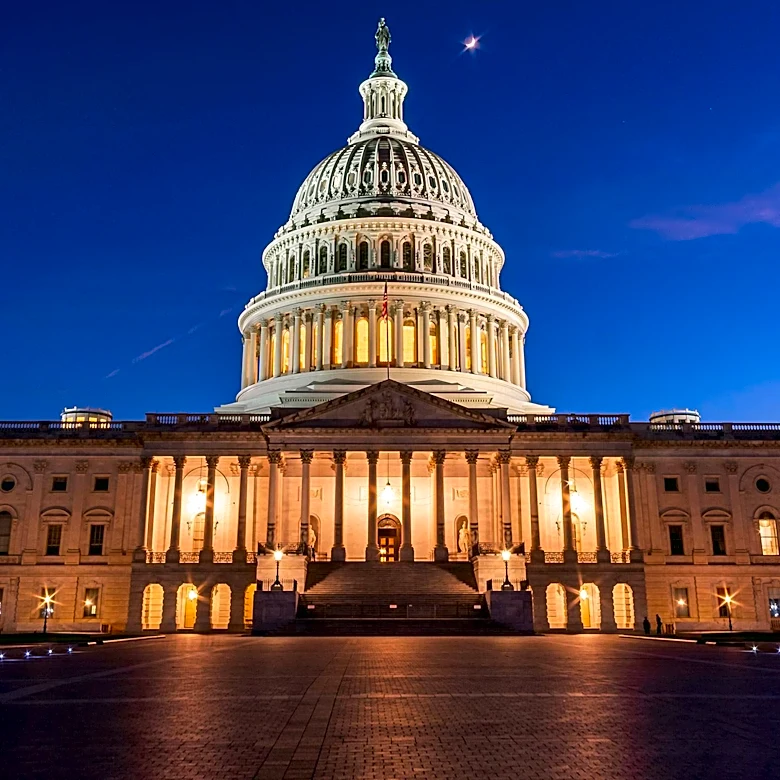
The Senate Committee on Indian Affairs has favorably reported the 'Native American Housing Assistance and Self-Determination (NAHASDA) Modernization Act of 2026' out of committee without objection. Senator Lisa Murkowski (R-AK), who chairs the committee and co-led
the bill with Vice Chair Senator Brian Schatz (D-HI), introduced an amendment that was also favorably reported. This amendment increases NAHASDA's de minimis threshold from $5,000 to $22,000 and grants the Department of Housing and Urban Development (HUD) the authority to further raise this amount for good cause. This change aims to exempt a broader range of grants to Tribally Designated Housing Entities (TDHEs) from bonding requirements. The legislation now moves to a vote in the full Senate. NAHASDA, originally passed in 1996, provides development financing programs for TDHEs and Indian or Alaskan Native Tribal governments, and was expanded in 2000 to include Native Hawaiian entities.
Why It's Important?
The advancement of the NAHASDA Modernization Act is crucial for addressing housing needs in Native communities across the United States. Although NAHASDA's authorization lapsed in 2013, its programs continue to be funded, providing essential affordable housing to low-income, homeless, and veteran Native families, particularly in rural and remote areas where it often serves as the sole source of such aid. The proposed modernization aims to update these programs to better suit contemporary Tribal housing needs and financial realities. By raising the de minimis threshold for bonding requirements, the amendment will streamline the process for TDHEs to access and utilize grant funding, potentially accelerating housing development and rehabilitation projects. This legislative effort reflects a commitment to strengthening Native communities and ensuring that housing programs are efficient and responsive to the unique challenges faced by these populations.
What's Next?
The 'NAHASDA Modernization Act of 2026' will now proceed to a vote in the full Senate. If passed, it will reauthorize the programs from 2027 through 2033, providing long-term stability and updated provisions for financial and regulatory needs. The National Low Income Housing Coalition (NLIHC) and the National Congress of American Indians (NCAI) have urged Congress to reauthorize NAHASDA, emphasizing its critical role. The bill's passage would signify a significant step towards improving housing conditions and economic stability for Native Americans, Alaska Natives, and Native Hawaiians. Stakeholders will be closely watching the Senate vote, as the legislation's success could lead to more effective and accessible housing solutions for Tribal communities nationwide.
Beyond the Headlines
The NAHASDA Modernization Act highlights the ongoing efforts to address systemic housing disparities faced by Native communities. The legislation's focus on updating programs and reducing bureaucratic hurdles, such as bonding requirements, reflects a broader recognition of the need for culturally appropriate and community-driven housing solutions. The historical context of NAHASDA, which created programs like the Indian Housing Block Grant (IHBG) and the Title VI loan guarantee program, underscores a long-standing commitment to self-determination in housing for Tribal nations. The successful passage of this act could set a precedent for future legislative initiatives aimed at empowering Tribal governments and TDHEs to better manage and develop their own housing infrastructure, fostering greater economic independence and improved quality of life within these communities.