






What's Happening?
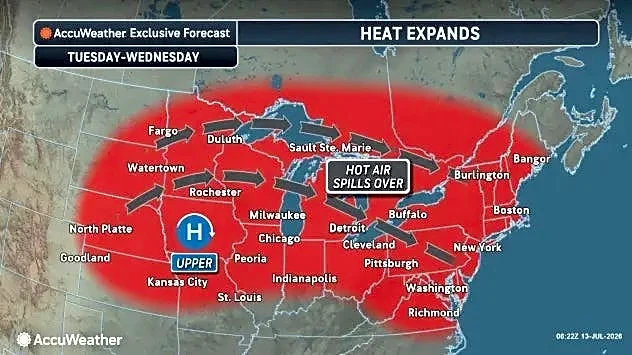
Heat domes are causing significant disruptions to radio and other communication signals across the Midwest. This atmospheric phenomenon, known as tropospheric ducting, allows radio waves to travel unusually long distances, leading to unexpected activations
of emergency alarms and interference with local radio broadcasts. The heat dome has affected emergency communication systems, which are crucial during extreme weather events. The phenomenon is linked to high temperatures and humidity, which are becoming more common due to climate change.
Why It's Important?
The disruption of communication systems poses a risk to public safety, especially during emergencies when reliable communication is essential. The interference can affect not only radio and television signals but also critical systems like radar and cell phone networks. As climate change leads to more frequent and intense heat domes, the potential for communication disruptions increases, highlighting the need for robust and adaptable communication infrastructure.
Beyond the Headlines
The phenomenon of tropospheric ducting, while problematic for emergency services, also presents opportunities for amateur radio enthusiasts to communicate over long distances. However, the broader implications of climate change on communication systems require attention, as increased interference could lead to 'alert fatigue' among the public, reducing the effectiveness of emergency warnings.