
What's Happening?
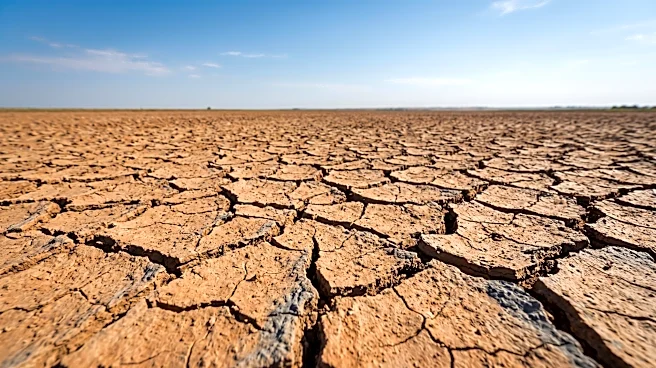
On November 13, 2026, the United States Department of Agriculture (USDA) officially designated 11 counties in Texas as primary natural disaster areas. These counties include Collin, Cooke, Dallas, Denton,
Ellis, Grayson, Montague, Parker, Tarrant, Upton, and Wise. The designation was triggered by severe drought conditions, with these areas experiencing D2 Drought-Severe for eight or more consecutive weeks or D3 Drought-Extreme or D4 Drought-Exceptional during the growing season, as reported by the U.S. Drought Monitor. This Secretarial natural disaster designation enables the USDA Farm Service Agency (FSA) to extend emergency credit through emergency loans to agricultural producers affected by the drought. Additionally, several contiguous counties in Texas and Oklahoma, such as Clay, Crane, Crockett, Ector, Fannin, Glasscock, Henderson, Hill, Hood, Hunt, Jack, Johnson, Kaufman, Midland, Navarro, Palo Pinto, Reagan, Bryan, Jefferson, Love, and Marshall, are also eligible for assistance.
Why It's Important?
The USDA's declaration is a critical intervention for the agricultural communities within the designated Texas counties and their neighboring regions. Drought conditions can severely impact agricultural productivity, leading to crop failures, reduced livestock health, and significant financial strain on farmers and ranchers. The emergency loans offered by the FSA are designed to help producers recover from these losses by providing funds for essential needs, including replacing damaged equipment or livestock, restructuring farm operations, or refinancing certain debts. This financial support is vital for maintaining the economic stability of these agricultural areas and ensuring the continuity of farming operations, which are integral to both local economies and the broader U.S. food supply. The FSA will assess loan applications based on the extent of losses, available security, and the applicant's ability to repay.
What's Next?
Agricultural producers in the designated primary and contiguous counties have until June 21, 2027, to submit their applications for emergency loans. Farmers and ranchers are advised to contact their local USDA Service Center to initiate a Notice of Loss and gather information on available assistance programs. The USDA's farmers.gov website offers additional resources, including the Disaster Assistance Discovery Tool, a Disaster Assistance-at-a-Glance fact sheet, and a Loan Assistance Tool, to guide producers through the application process. The timely and effective utilization of these resources will be crucial for the recovery efforts in these drought-affected areas, helping to mitigate the long-term economic impacts on the agricultural sector.
Beyond the Headlines
The repeated occurrence of drought-related disaster declarations, such as this one in Texas, underscores the increasing vulnerability of U.S. agriculture to climate variability. Beyond immediate financial relief, these events highlight the need for more robust, long-term strategies for water conservation and drought resilience in farming. The economic ripple effects of prolonged drought can extend beyond individual farms to local businesses, employment rates, and regional food security. This situation may prompt further investment in climate-smart agricultural practices, water infrastructure improvements, and insurance programs designed to better protect producers from the financial risks associated with extreme weather. The ongoing challenges posed by drought could also influence future land use planning and agricultural policy decisions at both state and federal levels.