
What's Happening?
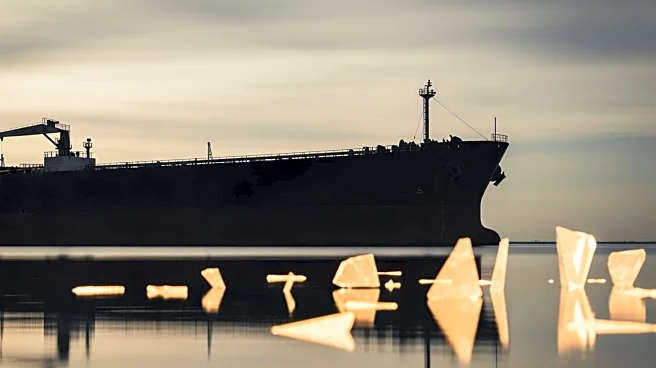
The ongoing conflict in the Gulf region has intensified Europe's energy crisis, as the continent faces a significant shortfall in liquefied natural gas (LNG) supplies. The war has disrupted global energy markets, leading to a surge in gas prices across
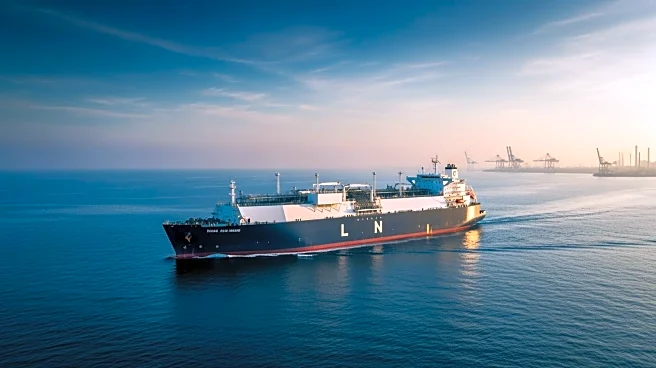
Europe. The Dutch TTF index, a benchmark for European gas prices, has seen significant volatility, reflecting the market's nervousness about supply disruptions. QatarEnergy's announcement of halted production and exports due to 'force majeure' has further exacerbated the situation, casting doubt on Europe's ability to replenish its gas reserves ahead of the next winter. The continent is starting from a weak position, with storage levels significantly below the multi-year average. To address the shortfall, Europe needs to secure approximately 700 LNG cargoes, a costly endeavor estimated at $40 billion. This situation has led to a global bidding war for LNG, with Europe competing against rapidly growing Asian economies.
Why It's Important?
The crisis has significant implications for the U.S. energy sector, as American LNG suppliers stand to benefit from the increased demand and higher prices in Europe. However, the U.S. faces limitations in its ability to increase LNG exports due to existing capacity constraints. The situation also highlights the vulnerability of Europe's energy strategy, which has relied heavily on LNG imports following its shift away from Russian gas. The geopolitical tensions have underscored the fragility of global energy supply chains and the potential for regional conflicts to have widespread economic impacts. For the U.S., the crisis presents both opportunities and challenges, as it navigates its role as a key LNG supplier while managing domestic energy needs and market stability.
What's Next?
Europe must urgently secure additional LNG supplies to avoid severe energy shortages in the coming winter. This will likely involve offering premium prices to divert shipments from Asia, further straining global energy markets. The U.S. may explore ways to increase its LNG export capacity, but this will require time and investment. Meanwhile, Russia's potential to redirect its LNG exports to Asia poses a strategic challenge for Europe, which aims to phase out Russian gas imports by 2027. The situation could lead to increased diplomatic efforts to stabilize energy markets and prevent further escalation of the crisis.
Beyond the Headlines
The crisis highlights the broader geopolitical dynamics at play, with energy serving as a critical lever in international relations. Europe's reliance on LNG imports has exposed it to vulnerabilities that could have long-term implications for its energy security and economic competitiveness. The situation also raises ethical questions about the global energy market's susceptibility to geopolitical manipulation and the need for more resilient and diversified energy strategies. As the U.S. and Europe navigate these challenges, the crisis may prompt a reevaluation of energy policies and international cooperation frameworks.