
What's Happening?
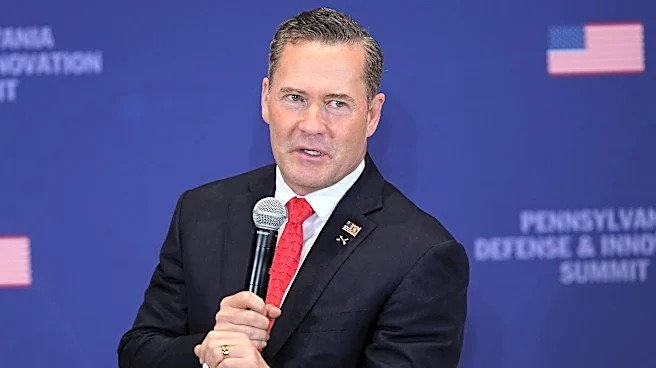
President Trump has accused Canada of 'wilful negligence' regarding the management of wildfires, which have resulted in smoke spreading across parts of the U.S. and Canada. Trump has suggested that Canada's
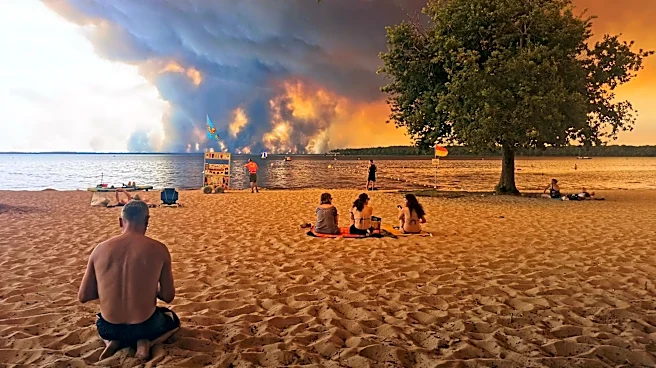
forest management practices are to blame and has threatened tariffs and demands for compensation. The wildfires, exacerbated by climate change, are burning across several countries, including the U.S., France, and Spain, causing widespread evacuations and community devastation. Scientific studies indicate that human-caused climate change has significantly increased the likelihood of severe fire seasons in Canada. While forest management practices are important, many of Canada's largest fires occur in remote areas that are difficult to manage.
Why It's Important?
The accusations from President Trump highlight the complex interplay between international relations and environmental issues. The spread of wildfire smoke across borders underscores the global nature of climate change impacts, which do not adhere to political boundaries. The situation raises questions about accountability and responsibility in addressing climate-related disasters. The U.S. and Canada, both significant emitters of greenhouse gases, face pressure to improve their environmental policies and practices. The ongoing wildfires serve as a stark reminder of the urgent need for coordinated international efforts to mitigate climate change and its effects.
What's Next?
The ongoing wildfires and the political tensions they have sparked may lead to increased scrutiny of forest management practices and climate policies in both the U.S. and Canada. There could be calls for enhanced cross-border cooperation in addressing environmental challenges. Additionally, the situation may influence public opinion and policy discussions on climate change, potentially impacting future elections and international agreements. The strengthening El Niño phenomenon is expected to exacerbate fire risks, prompting further emergency preparedness and response measures.
Beyond the Headlines
The debate over wildfire management and climate change highlights deeper issues of environmental justice and equity. Communities most affected by wildfires often include vulnerable populations with limited resources to adapt or recover. The situation also raises ethical questions about the responsibility of developed nations to lead in climate action, given their historical contributions to greenhouse gas emissions. Long-term solutions will require not only immediate firefighting efforts but also systemic changes in energy production, land use, and international cooperation.