








What's Happening?
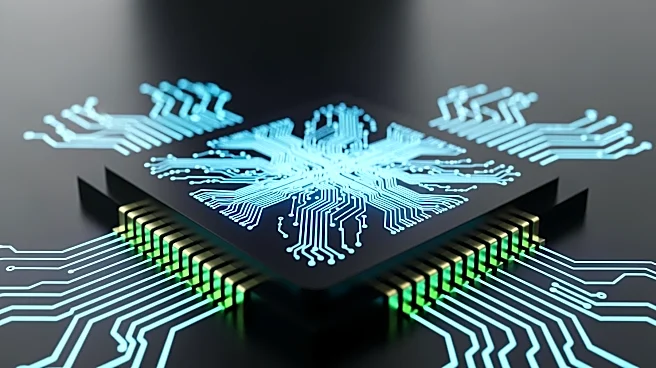
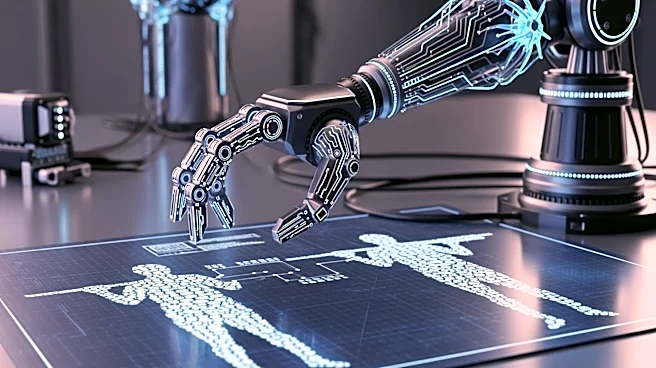
Charles Lieber, a former Harvard University scientist, has defected to China, where he is now leading efforts to develop AI super soldiers. Lieber, previously convicted of lying about his ties to China, is now the founding director of Shenzhen's Institute
for Brain Research Advanced Interfaces and Neurotechnologies (i-BRAIN). His work focuses on brain-computer interfaces, a field prioritized by the Chinese government. Lieber's move to China, along with another Harvard scientist, provides China with advanced research capabilities and resources not available in the U.S., potentially giving them an edge in the global race for military technological superiority.
Why It's Important?
Lieber's defection highlights the ongoing tensions between the U.S. and China in the realm of technological and military advancements. His expertise in brain-computer interfaces could significantly enhance China's capabilities in developing AI-driven military technologies, posing a strategic challenge to the U.S. This development underscores the importance of safeguarding intellectual property and research within the U.S., as well as the potential risks associated with international collaborations in sensitive fields. The situation also reflects broader geopolitical dynamics, where technological superiority is increasingly becoming a focal point of national security strategies.
What's Next?
The U.S. may need to reassess its policies regarding international research collaborations and the protection of sensitive technologies. There could be increased scrutiny on scientists with ties to foreign governments, particularly in fields with military applications. Additionally, the U.S. might accelerate its own research and development efforts in AI and brain-computer interfaces to counter potential advancements by China. This situation could also lead to diplomatic discussions aimed at addressing concerns over intellectual property theft and espionage.