







What's Happening?
State Auditor Rob Sand, running unopposed for the Democratic nomination for Iowa governor, has significantly outpaced his competitors in fundraising. From January 1 to May 14, Sand raised over $9.6 million, with $4.5 million coming from his wife and in-laws.
He concluded the reporting period with nearly $18.3 million on hand. Sand's campaign emphasizes a grassroots approach, with nearly 95% of donations being $100 or less and two-thirds from Iowans. Meanwhile, five Republicans are vying to challenge Sand in what is expected to be a competitive general election. Businessman Zach Lahn leads the Republican candidates in fundraising, having raised $980,000 in the same period.
Why It's Important?
The substantial fundraising by Rob Sand highlights his strong position in the Iowa governor's race, potentially giving him a significant advantage in the upcoming general election. His ability to attract small donations suggests broad grassroots support, which could be crucial in mobilizing voters. The financial backing from his family, however, has drawn criticism from opponents who argue it represents an unfair advantage. The Republican candidates, led by Zach Lahn, face the challenge of closing the fundraising gap to mount a competitive campaign against Sand. The outcome of this race could influence the political landscape in Iowa, impacting policy directions and party dynamics.
What's Next?
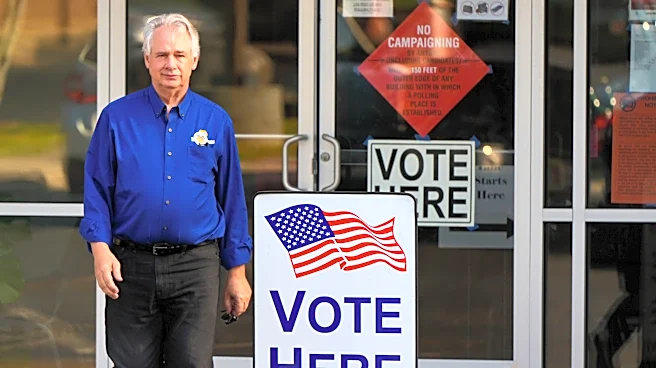
As early voting is underway for the June 2 primary election, the focus will shift to the general election campaign strategies. Rob Sand's campaign will likely continue to emphasize grassroots engagement and outreach across Iowa. Republican candidates will need to bolster their fundraising efforts and refine their campaign messages to effectively challenge Sand. The general election is expected to be highly competitive, with both parties aiming to secure the governorship. Observers will be watching how the candidates address key issues such as economic policy, healthcare, and education, which are likely to be pivotal in swaying undecided voters.