
What's Happening?
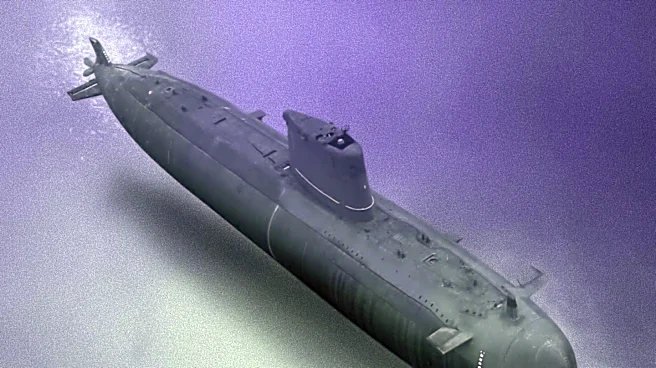
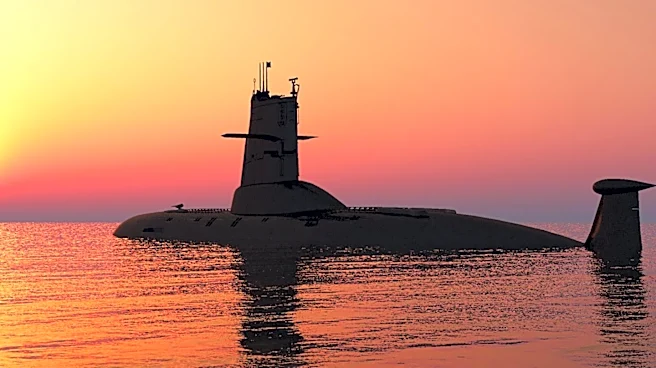
The U.S. Navy is advancing its Columbia-class submarine program, which is set to replace the aging Ohio-class ballistic missile submarines. The Columbia-class, developed by General Dynamics Electric Boat,
is designed to serve as the primary sea-based component of the U.S. nuclear deterrent. The program, initially known as the Ohio Replacement Program, plans for twelve submarines to enter service starting in the early 2030s. The Columbia-class submarines are expected to have a 42-year service life without the need for reactor refueling, and they will carry sixteen Trident II D5 missiles each. The program's budget has increased from initial estimates due to inflation and other factors, with the lead submarine, USS District of Columbia, incurring higher costs due to its role in non-recurring engineering and initial production investments.
Why It's Important?
The Columbia-class submarines are crucial for maintaining the U.S. Navy's strategic nuclear deterrent capabilities. As the Ohio-class submarines retire, the Columbia-class will ensure the continuity of the U.S.'s sea-based nuclear deterrent, which is a key component of the nuclear triad. The program's success is vital for national security, as these submarines provide a secure second-strike capability in the event of a nuclear attack. The investment in the Columbia-class also supports the U.S. shipbuilding industry, particularly the nuclear submarine industrial base, which is essential for maintaining the country's defense capabilities.
What's Next?
The U.S. Navy will continue to oversee the construction and integration of the Columbia-class submarines, with the first expected to enter service in the early 2030s. As production stabilizes, costs for subsequent submarines are anticipated to decrease. The Navy will also focus on ensuring that the Columbia-class meets its operational requirements and integrates seamlessly into the existing fleet. The program's progress will be closely monitored by defense stakeholders, given its significance to national security and the substantial financial investment involved.