
What's Happening?
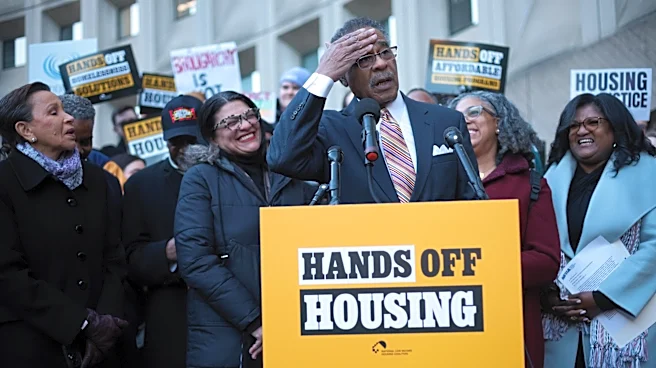
Housing advocates and community organizers in the Bronx recently protested new developments, arguing that they are pricing out long-term residents and failing to provide truly affordable housing. A rally,
organized by the Affordable for You Campaign, gathered approximately two dozen people at Bryan Park on Fordham Road. Speakers at the event called for greater community control over housing definitions and challenged the city's and developers' criteria for 'affordable' housing. The campaign demands that 70% of units designated as affordable housing be accessible to individuals earning less than $40,000 annually, which is roughly the median income for Bronx residents. Despite the Bronx leading New York City in affordable housing production, particularly in the South and West Bronx, organizers contend that existing residents are not benefiting from these initiatives. They also criticized property management companies, such as Wavecrest Management, for alleged housing violations and neglect.
Why It's Important?
This protest highlights a significant issue in urban development across the U.S.: the tension between new construction and the affordability needs of existing communities. The Bronx, a borough with a diverse population and varying income levels, serves as a microcosm for broader national debates on gentrification and housing equity. The organizers' demand for a higher percentage of truly affordable units reflects a growing concern that current 'affordable housing' definitions often cater to higher income brackets, leaving the most vulnerable populations underserved. The criticism of property management companies also underscores the ongoing challenges tenants face regarding living conditions and landlord accountability. If these concerns are not addressed, it could lead to increased social stratification, displacement of long-term residents, and a loss of community identity, potentially exacerbating social and economic inequalities in urban centers.
What's Next?
The Affordable for You Campaign and other community organizations are expected to continue their advocacy for more stringent affordable housing requirements and greater tenant protections in the Bronx. Their efforts will likely involve further rallies, community organizing, and direct engagement with city officials and developers. The focus will remain on pressuring policymakers to redefine 'affordable' housing to align with the actual income levels of current residents. Additionally, tenant associations are being encouraged to organize and collectively pressure landlords to address deteriorating living conditions. The ongoing dialogue between community groups, developers, and city authorities will determine the future trajectory of housing development in the Bronx and could influence similar policy discussions in other U.S. cities grappling with gentrification and housing affordability.
Beyond the Headlines
The protests in the Bronx delve into the deeper societal implications of gentrification, which organizers describe as 'dispossession' rather than mere development. This perspective frames gentrification as a process that systematically displaces established communities, often leading to a loss of cultural heritage and social networks. The issue also touches upon the power dynamics between developers, landlords, and residents, highlighting the need for stronger community empowerment and tenant rights. The presence of a significant police force at a relatively small demonstration also raises questions about the securitization of urban spaces and the potential for authorities to perceive community organizing as a threat. Ultimately, the Bronx situation reflects a broader national struggle to balance urban revitalization with social equity, prompting ethical considerations about who benefits from urban growth and who bears its costs.