





What's Happening?
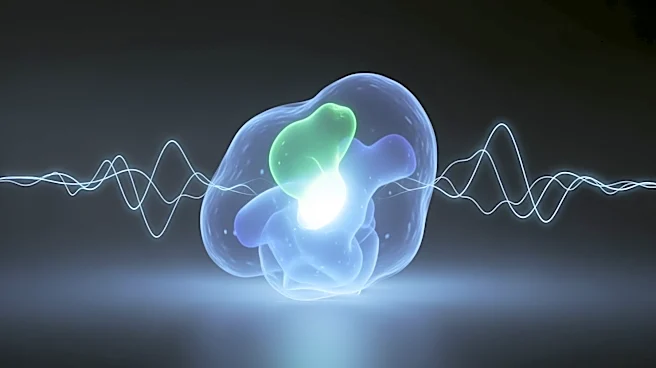
A recent study published in the Proceedings of the National Academy of Sciences has revealed that electrical pulses can reverse some signs of aging in sea squirts, a marine animal genetically similar to humans. The research demonstrated that short bursts
of electricity significantly improved stem cell function, tissue regeneration, and lifespan in these organisms. The study observed an acute 'reboot and rebound' response, where metabolic activity surged after initial suppression, mimicking the body's reaction to intense exercise. This discovery suggests that electricity could potentially be used to reverse damage in declining biological systems, although its applicability to humans remains uncertain.
Why It's Important?
The findings from this study could have significant implications for anti-aging research and treatments for age-related decline, infertility, and degenerative diseases. By understanding how to 'recharge' stem cells, scientists may develop new therapies to enhance tissue maintenance and repair. While the research is still in its early stages and primarily focused on sea squirts, the potential for translating these findings to human biology could revolutionize how aging is perceived and treated. This could lead to breakthroughs in extending human healthspan and addressing age-related health issues.
What's Next?
The next steps involve determining whether the rejuvenation pathways identified in sea squirts can be safely targeted in specific human cell populations, such as blood stem cells. Researchers are optimistic about moving towards human applications, given the existing use of electricity in medical contexts, such as heart rhythm regulation. Further studies will be needed to explore the safety and efficacy of these treatments in humans, potentially paving the way for new anti-aging therapies.
Beyond the Headlines
This research highlights a growing trend in treating aging as a modifiable condition rather than an inevitable process. The study's findings contribute to a broader understanding of how biological systems can be manipulated to repair and rejuvenate themselves. This could lead to ethical and societal discussions about the implications of extending human lifespan and the potential impact on population dynamics and resource allocation.