
What's Happening?
The Miteni S.p.A. case has become a significant example of industrial pollution and regulatory challenges. Located in Trissino, Italy, Miteni was a chemical manufacturer known for producing PFAS, often
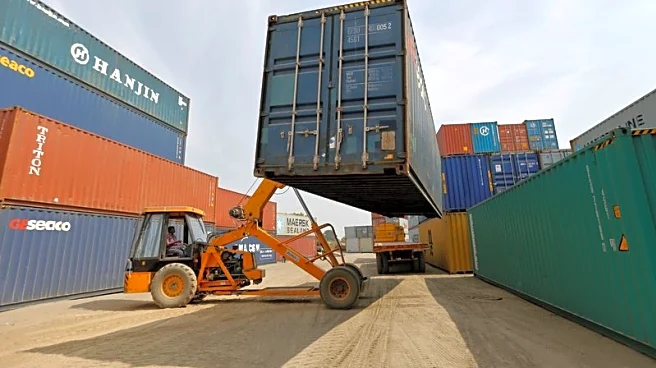
referred to as 'forever chemicals' due to their persistence in the environment. The company was identified as the primary source of PFAS contamination affecting groundwater and drinking water in Italy's Veneto region, impacting approximately 300,000 to 350,000 residents. Miteni ceased operations in 2018 following regulatory scrutiny and criminal proceedings. In June 2025, the Court of Assize in Vicenza convicted eleven former executives for environmental disaster and water contamination, resulting in prison sentences and enabling civil compensation claims. After bankruptcy, Miteni's assets, including patents and machinery, were sold to Viva Lifesciences, a subsidiary of Laxmi Organic Industries, and reportedly shipped to India.
Why It's Important?
The Miteni case underscores the complexities of industrial pollution and the movement of hazardous technologies across borders. It highlights the challenges in regulating PFAS, which are not as strictly controlled in India as in the European Union. This regulatory gap raises concerns about environmental and public health risks in regions where such technologies are relocated. The case also emphasizes the need for global corporate accountability and the potential long-term impacts of industrial activities on communities. The legal outcomes in Italy set a precedent for environmental justice and corporate responsibility, influencing global discussions on chemical regulation and environmental protection.
What's Next?
The transfer of Miteni's assets to India has prompted scrutiny from environmental groups and journalists, focusing on the regulatory differences between the EU and India. Indian authorities, including the Maharashtra Pollution Control Board, have sought clarifications on the operations of the facilities using the transferred machinery. The ongoing monitoring and potential regulatory actions in India will be crucial in addressing environmental concerns. Additionally, the case may influence future international policies on the relocation of hazardous industries and the global management of PFAS.
Beyond the Headlines
The Miteni case illustrates the broader implications of industrial pollution and the challenges of enforcing environmental regulations across different jurisdictions. It raises ethical questions about the responsibility of companies to prevent environmental harm and the role of governments in protecting public health. The case also highlights the importance of transparency in corporate transactions and the need for comprehensive public documentation of industrial asset transfers. As global awareness of PFAS and their impacts grows, the Miteni case serves as a catalyst for international cooperation in addressing chemical pollution and enhancing regulatory frameworks.