


What's Happening?
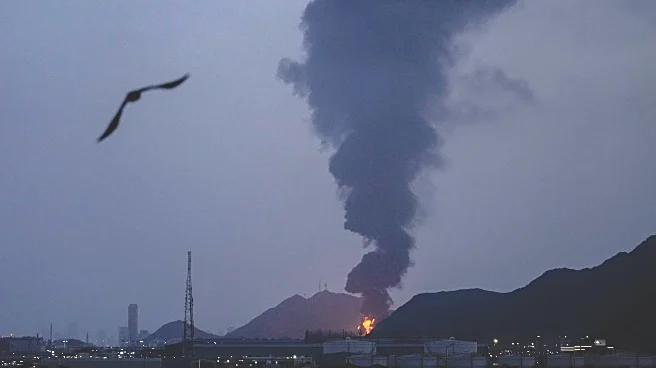
The Ukrainian Armed Forces have successfully targeted a significant Russian military factory in Bryansk using Storm Shadow air-launched missiles. This factory, known as the Kremniy El plant, specializes in producing discrete semiconductor technology and
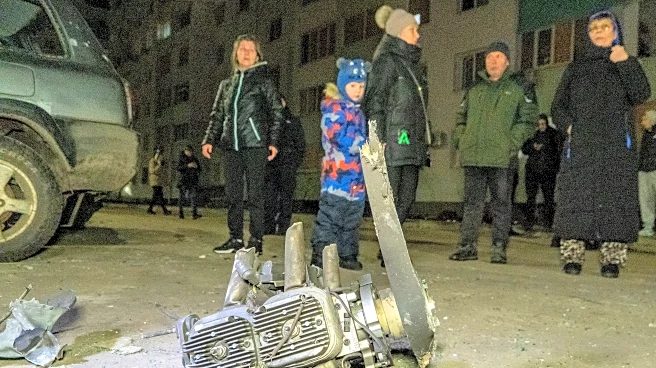
integrated microchips, which are crucial components for modern weapons, including Iskander missiles. The attack, which resulted in significant damage to the production facilities, is part of Ukraine's ongoing response to Russia's near-daily drone and missile attacks since the full-scale invasion began in 2022. Ukrainian President Volodymyr Zelensky described the strike as a justified response to Russian aggression. The attack comes amid ongoing tensions and deadlocked negotiations over the Donbas region, which Russia claims as part of its territory despite not having full control.
Why It's Important?
This development highlights the escalating military conflict between Ukraine and Russia, with significant implications for regional stability and international relations. The strike on a key military production facility could disrupt Russia's missile supply chain, potentially affecting its military operations. For Ukraine, this action demonstrates its capability to target critical infrastructure, which may serve as a deterrent against further Russian aggression. The ongoing conflict and military actions have broader implications for global security, particularly in Europe, and could influence international diplomatic efforts to resolve the crisis. The situation also underscores the importance of military alliances and support, as Ukraine continues to rely on advanced weaponry from Western allies.
What's Next?
The attack on the Bryansk factory may lead to further retaliatory actions from Russia, potentially escalating the conflict. The deadlock in negotiations over the Donbas region remains a critical issue, with the United States proposing another round of talks between Russia and Ukraine. These discussions, initially planned for the United Arab Emirates, have been postponed, with potential rescheduling in Switzerland or Turkey. The outcome of these talks could significantly impact the future of the conflict and the geopolitical landscape in Eastern Europe. Additionally, the international community will likely continue to monitor the situation closely, with potential implications for military aid and diplomatic strategies.