






What's Happening?
The International Energy Agency (IEA) has issued a warning regarding the potential cancellation of flights in Europe due to a significant shortage of jet fuel. This shortage is primarily attributed to geopolitical tensions affecting oil supplies from
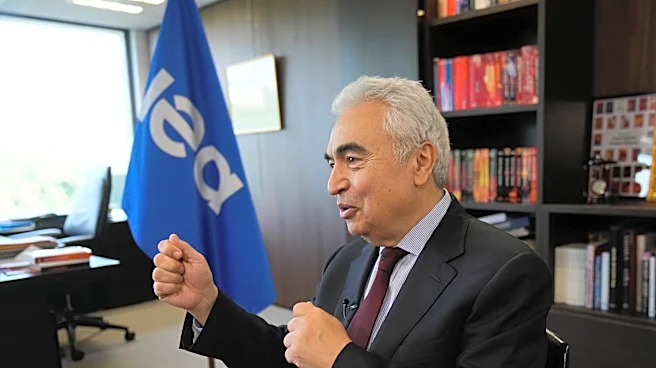
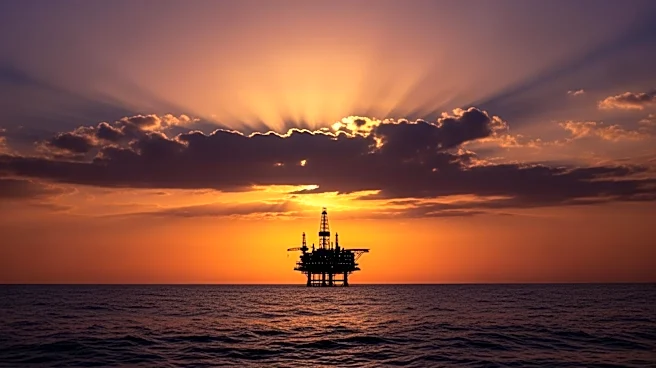
the Middle East, particularly through the Strait of Hormuz. The IEA's Executive Director, Fatih Birol, highlighted that Europe may have only six weeks of jet fuel left if the current situation persists. The closure of the Strait of Hormuz, a critical passage for nearly 20% of the world's oil supplies, has been described as the largest energy crisis faced by the region. European aviation is particularly vulnerable, with 75% of its jet fuel imports coming from the Middle East. Airlines may soon have to ration fuel, prioritizing high-demand and long-haul routes, while regional services face suspension risks.
Why It's Important?
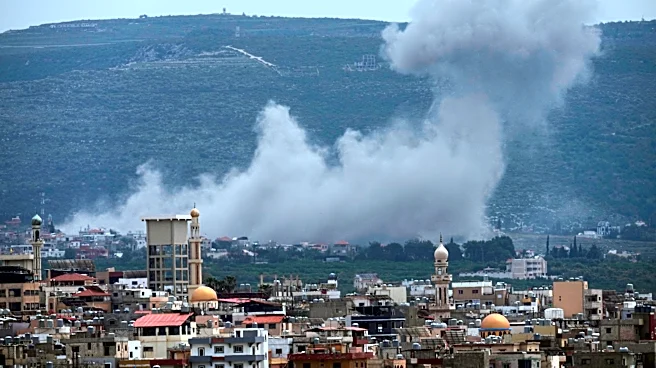
The jet fuel shortage has far-reaching implications for the aviation industry and the broader economy. If flights are canceled, it could disrupt travel plans for millions, especially as the European summer approaches. The economic impact extends beyond aviation, with potential increases in petrol, gas, and electricity prices. Developing countries in Asia, Africa, and Latin America are expected to bear the brunt of these price hikes. The crisis underscores the vulnerability of global energy supplies to geopolitical tensions and highlights the need for diversified energy sources. The damage to over 80 key energy assets in the region further complicates recovery efforts, which could take up to two years.
What's Next?
Airlines and governments may need to explore alternative fuel sources or adjust flight schedules to mitigate the impact of the shortage. The situation calls for diplomatic efforts to reopen the Strait of Hormuz and stabilize oil supplies. Stakeholders in the aviation industry, including Airports Council International Europe, are likely to engage with EU officials to address the crisis. Long-term strategies may involve investing in renewable energy and improving energy efficiency to reduce dependency on Middle Eastern oil.
Beyond the Headlines
The crisis highlights the interconnectedness of global energy markets and the potential for geopolitical events to disrupt them. It raises ethical questions about energy security and the equitable distribution of resources. The situation may prompt a reevaluation of energy policies and encourage investment in sustainable alternatives. The reliance on a single region for critical energy supplies exposes vulnerabilities that could have lasting impacts on global economic stability.