






What's Happening?
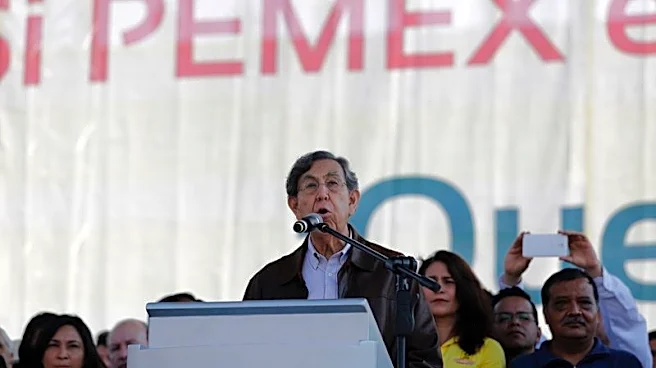
President Claudia Sheinbaum led a ceremony at the Santa Lucía Military Air Base in Zumpango, State of Mexico, to mark the 60th anniversary of Plan DN-III-E. This plan is a military response mechanism designed to support civilians during disasters. During
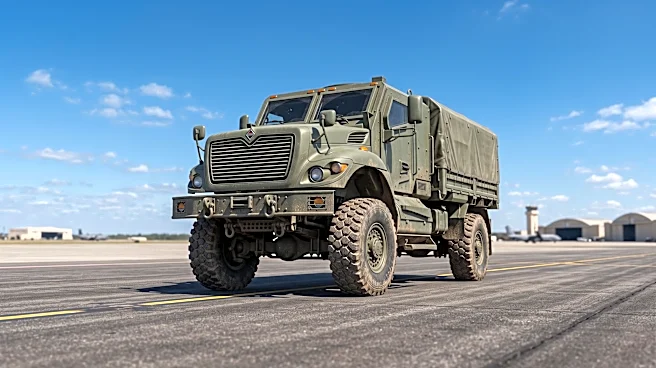
the event, President Sheinbaum thanked members of the armed forces for their work in emergencies, emphasizing their commitment to public service. The Secretary of National Defense, Ricardo Trevilla Trejo, reported that Plan DN-III-E has been activated for over 87,000 events since its inception in 1966, including earthquakes, hurricanes, floods, and fires. The plan's reach extends internationally, with military personnel participating in 99 humanitarian aid missions in 30 countries since 1996. The ceremony also recognized military personnel who responded to the extraordinary rains in October 2025, affecting several states, with 869 distinctions presented to members of the Army, Air Force, and National Guard.
Why It's Important?
The commemoration of Plan DN-III-E highlights the critical role of military and emergency services in national and international disaster response. The plan's extensive history and activation record underscore its importance in mitigating the impact of natural disasters and other emergencies on civilian populations. The recognition of military personnel for their efforts in recent events, such as the 2025 rains, reinforces the value placed on their service and dedication. This ongoing commitment to disaster preparedness and response is vital for national security and public welfare, ensuring that resources and trained personnel are available to protect lives and provide assistance during crises. The international scope of the plan also demonstrates Mexico's role in global humanitarian efforts.
What's Next?
The continued operation and evolution of Plan DN-III-E are expected, with ongoing efforts to refine its procedures for prevention, emergency response, and recovery. This includes identifying risks, evacuating people, conducting searches and rescues, distributing aid, providing medical care, and supporting community rehabilitation. The federal government's continued support for the armed forces and emergency services involved in the plan suggests a sustained focus on disaster preparedness. Future initiatives may involve further training, technological advancements in disaster management, and continued international cooperation in humanitarian aid missions. The recognition of past efforts serves as a foundation for future improvements and sustained commitment to protecting citizens from the impacts of disasters.
Beyond the Headlines
The longevity and comprehensive nature of Plan DN-III-E reflect a deep-seated institutional commitment to public safety and humanitarian aid within Mexico. Beyond its practical applications in disaster relief, the plan fosters a sense of national unity and resilience, demonstrating how coordinated efforts can effectively address large-scale crises. The involvement of military personnel in civilian aid operations also highlights a broader trend in many nations where armed forces play a dual role in defense and domestic support. This integration of military capabilities into civil protection frameworks can lead to more robust and efficient emergency responses, but also raises questions about the appropriate scope of military involvement in civilian affairs and the balance between security and humanitarian objectives.