






What's Happening?
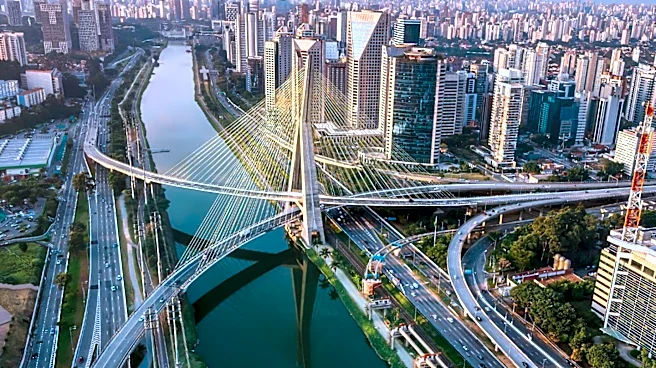
São Paulo, Brazil's largest city and a significant economic hub, is currently facing heightened security challenges due to urban crime. Authorities are advising international visitors to exercise increased caution when traveling to the city, as well as other
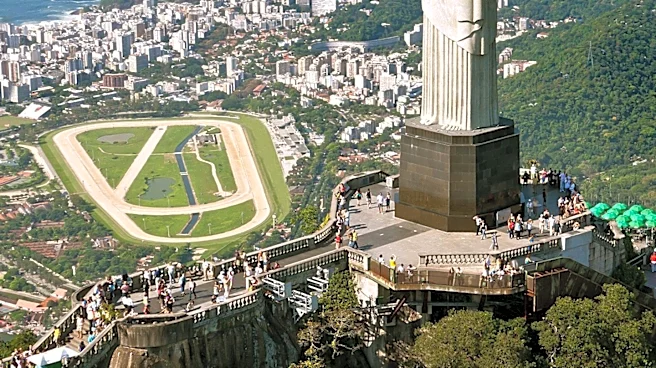
popular Brazilian destinations like Rio de Janeiro and Brasília. The U.S. Department of State has maintained a Level 2 travel advisory for Brazil, indicating a need for increased caution due to concerns about crime and kidnapping. Specific risks highlighted include armed robbery, carjacking, assault, and express kidnappings, where victims may be forced to withdraw money or transfer funds. Tourists are particularly vulnerable in crowded areas, nightlife venues, and transport hubs. The advisory emphasizes awareness and preparation rather than a complete avoidance of travel to Brazil, which continues to attract millions of visitors with its diverse cultural and natural attractions.
Why It's Important?
The ongoing travel safety concerns in São Paulo and other major Brazilian cities have significant implications for the country's tourism industry and its economy. Brazil's tourism sector is a vital contributor, supporting numerous businesses including hotels, restaurants, airlines, and tour operators. A sustained perception of insecurity can deter international travelers, potentially leading to a decline in tourist arrivals and revenue. This could negatively impact local economies that rely heavily on tourism, affecting employment and business growth. For U.S. travelers, the Level 2 advisory means they need to undertake more thorough planning and adopt stricter personal safety measures, which might influence their travel decisions. The situation underscores the delicate balance between promoting a country's attractions and ensuring the safety and confidence of its visitors, a factor increasingly prioritized by global travelers.
What's Next?
In response to these concerns, the Brazilian tourism industry and government agencies are expected to continue efforts to enhance visitor protection and provide clearer safety information. This may involve implementing improved security measures in tourist areas, increasing public awareness campaigns for both locals and visitors, and fostering greater cooperation between law enforcement and tourism-related businesses. Travelers to São Paulo and other Brazilian cities will likely see continued recommendations to plan routes in advance, use reputable accommodation and transport services, and avoid displaying overt signs of wealth. The effectiveness of these measures in restoring and maintaining traveler confidence will be crucial for the future growth and sustainability of Brazil's tourism sector. The U.S. Department of State will likely continue to monitor the situation and update its travel advisories as conditions evolve.
Beyond the Headlines
Beyond the immediate economic and safety implications, the persistent issue of urban crime in São Paulo and other Brazilian cities touches upon deeper societal challenges. High crime rates can be indicative of underlying socio-economic disparities, which often fuel such issues. Addressing these root causes, such as poverty, inequality, and lack of opportunity, would be a long-term solution to improving overall safety and security for both residents and tourists. Furthermore, the way Brazil manages these safety concerns will shape its international image and its competitiveness as a global travel destination. The narrative around travel safety can influence cultural exchange and international relations, as perceptions of a country's stability and hospitality are often formed through visitor experiences. The challenge for São Paulo, therefore, extends beyond immediate security measures to fostering a more inclusive and secure environment for all.