





What's Happening?
The Troy City Council unanimously approved Local Law 4, which amends the city charter to align with New York Executive Law Article 2-B, thereby narrowing the mayor's authority to declare a state of emergency. This action follows Mayor Carmella Mantello's
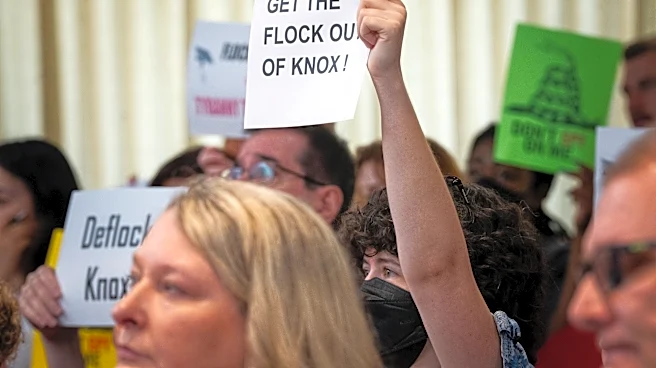
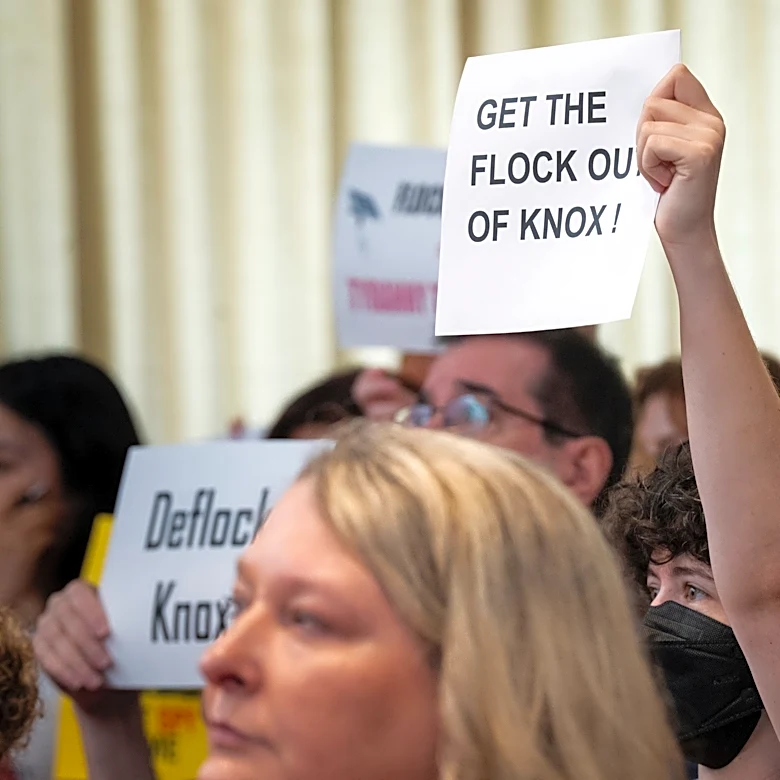
April declaration of a safety emergency related to the city's contract with Flock cameras, which drew criticism from the council and residents. City Council President Sue Steele stated the change is intended to clarify vague language in the charter regarding emergency declarations. Resident Frankie criticized the ongoing emergency, calling it inexplicable and lacking plausible justification. Mayor Mantello, however, plans to veto the measure, arguing it is a political power play and that the city charter grants the mayor necessary emergency powers. The law specifies that emergency powers apply only during "disasters, riots, catastrophes, or other emergencies where extraordinary powers are deemed necessary to protect life, health, property, or public safety."
Why It's Important?
This vote signifies a significant shift in the balance of power between the executive and legislative branches within Troy's city government. By limiting the mayor's emergency powers, the City Council aims to prevent potential overreach and ensure that such declarations are reserved for genuine crises, aligning local governance with state law. The dispute over the Flock camera contract and the subsequent emergency declaration highlight tensions regarding public safety initiatives, fiscal responsibility, and governmental transparency. For residents, this move could mean greater accountability in how emergency powers are exercised, potentially preventing prolonged states of emergency that lack clear justification. The mayor's planned veto indicates a continued political struggle, which could lead to further debate and potentially a council override, shaping the future of local governance and emergency response protocols in Troy.
What's Next?
Mayor Mantello is expected to veto Local Law 4. Following the veto, the Troy City Council will have 30 days to reconsider the measure. City Council President Sue Steele has indicated that the council plans to pass the law again, suggesting a potential override of the mayor's veto. This ongoing dispute will likely continue to be a focal point in Troy's local politics, with both sides advocating for their interpretations of executive authority and legislative oversight. The outcome will determine the scope of emergency powers for future mayors and could set a precedent for how such powers are defined and exercised in the city. Public and community responses will also play a role in shaping the discourse around this issue.
Beyond the Headlines
This local legislative battle in Troy reflects broader national discussions about the appropriate scope of executive power, particularly in times of perceived crisis. The use of emergency declarations, initially designed for immediate and severe threats, has sometimes been criticized for being extended to situations that could be handled through regular legislative processes. The Flock camera contract dispute, while specific to Troy, touches upon wider debates about surveillance technology, privacy concerns, and the allocation of public funds for safety measures. The council's move to align with state law underscores a desire for standardized governance and checks and balances. This situation could influence other municipalities to review and potentially revise their own charters regarding emergency powers, fostering a more transparent and accountable approach to local governance.