


What's Happening?
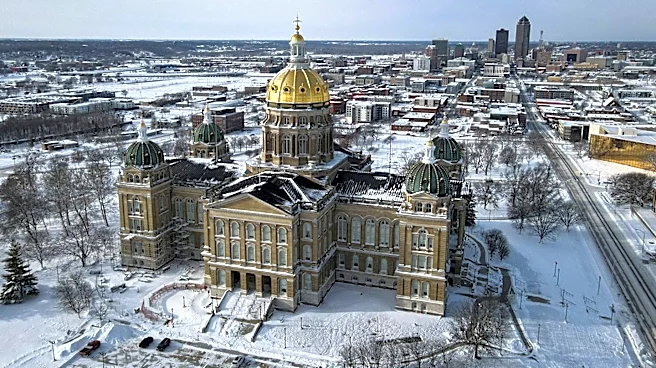
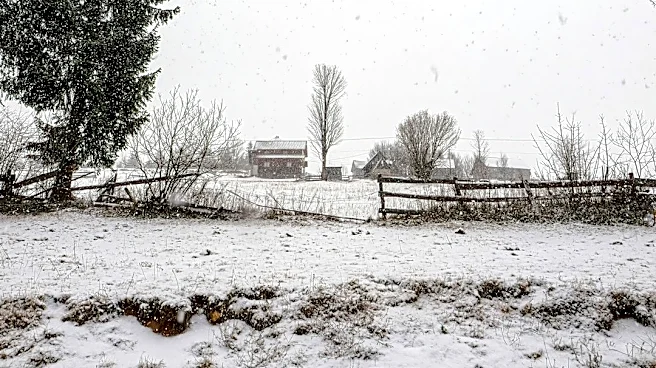
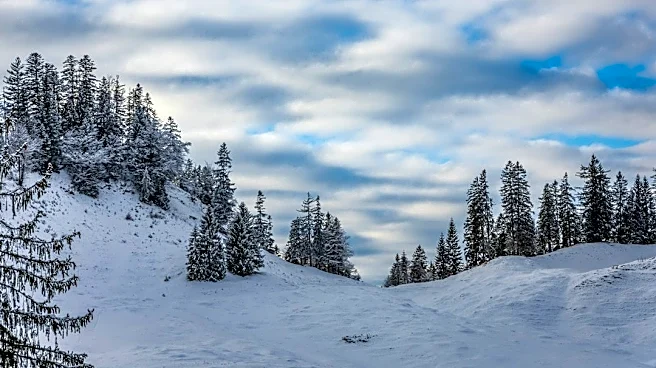
The National Weather Service (NWS) has issued a call for Iowa residents to prepare for the upcoming El Niño winter season. On Winter Weather Preparedness Day, observed in Iowa, the NWS advised citizens to stock emergency supplies and ensure their vehicles
are ready for winter conditions. This guidance emphasizes the potential for significant snowfall and extreme cold across the state. Residents are encouraged to assemble home emergency kits, including snow shovels and salt, and to have their vehicles checked for winter readiness. Drivers should also carry blankets, jumper cables, and portable phone chargers, and clear exhaust pipes of snow if running an engine for heat to prevent carbon monoxide poisoning. The NWS, a federal agency under NOAA, is responsible for issuing weather forecasts, watches, and warnings for the United States.
Why It's Important?
The NWS's advisory is crucial for public safety and preparedness in Iowa, particularly given the unpredictable nature of El Niño winters. Early preparation can mitigate risks associated with power outages, dangerous travel conditions, and extreme cold. For individuals, having emergency supplies and a prepared vehicle can be life-saving, reducing the likelihood of being stranded or exposed to hazardous elements. For local communities and emergency services, widespread public preparedness can lessen the strain on resources during severe weather events. The economic impact of severe winter weather, such as disruptions to transportation and commerce, can also be mitigated by proactive measures. This preparedness message underscores the importance of heeding expert meteorological advice to safeguard lives and property.
What's Next?
As the winter season approaches, Iowa residents are expected to follow the NWS guidelines by preparing their homes and vehicles. Forecasters have not yet specified the exact magnitude of snowfall or cold expected, but the advisory suggests planning for the possibility of heavy snow and extreme cold rather than assuming a mild winter. The NOAA's Climate Prediction Center will continue to track the El Niño winter outlook, which is associated with a higher chance of variable winter conditions across the northern U.S. Residents should monitor local National Weather Service forecasts for specific updates and warnings as winter progresses. The emphasis remains on proactive measures to ensure safety and minimize potential disruptions throughout the season.
Beyond the Headlines
The NWS's call for preparedness extends beyond immediate safety concerns, highlighting broader themes of climate awareness and community resilience. El Niño phenomena, characterized by warmer-than-average sea surface temperatures in the Pacific Ocean, can significantly alter global weather patterns, leading to varied and often extreme conditions in different regions. For Iowa, this means a heightened need for vigilance against severe winter weather. This situation also implicitly underscores the role of federal agencies like the NWS in public education and risk management, translating complex climate science into actionable advice for everyday citizens. The long-term implications involve fostering a culture of preparedness that can adapt to increasingly variable weather patterns influenced by global climate phenomena.