





What's Happening?
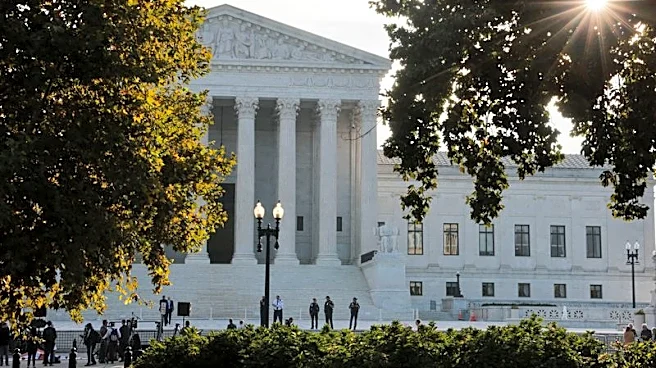
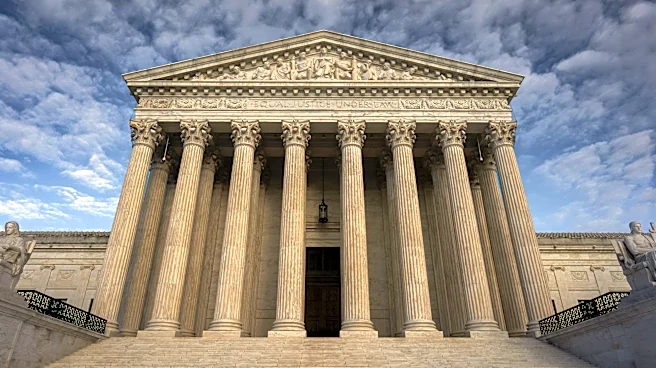
The U.S. Supreme Court is currently deliberating a case concerning whether the Department of the Air Force must comply with both the Resource Conservation and Recovery Act (RCRA) and the National Environmental Policy Act (NEPA) for its munitions disposal
activities in Guam. The dispute arose when the Guam-based environmental group Prutehi Guahan sued the Air Force for not preparing an environmental assessment or impact statement under NEPA when renewing its permit to blow up and burn hazardous waste munitions on a Guam beach. The Air Force has held a RCRA permit for this activity since 1982. Justice Sonia Sotomayor questioned whether the two statutes truly conflict, even if they cover similar ground. Justice Department attorney Sopan Joshi argued that a conflict could be mere inconsistency, not necessarily a 'metaphysical impossibility' of compliance. However, several justices, including Justice Neil Gorsuch, questioned why the Air Force could not simply comply with both statutes. The case also involves whether the Air Force's permit application constitutes a 'final agency action' subject to review under the Administrative Procedure Act, with most justices appearing to agree it is not.
Why It's Important?
This case holds significant implications for the balance of power between federal and state environmental regulators and could influence how federal agencies navigate environmental compliance. A ruling that mandates compliance with both RCRA and NEPA, even when agencies perceive overlap or inconsistency, would strengthen environmental review processes for federal projects. Conversely, a decision favoring the Air Force's position could potentially streamline permitting for federal entities but might also reduce environmental oversight. The outcome will clarify the scope of environmental review required for federal operations, particularly those involving hazardous waste. It could also set a precedent for how courts interpret potential conflicts between different environmental statutes, affecting future litigation and regulatory practices across various federal agencies and industries. The Trump administration's past stance on pushing more environmental control to the state level adds a layer of political context to the ongoing debate over federal regulatory authority.
What's Next?
The Supreme Court will issue a ruling in the case of Department of the Air Force v. Prutehi Guahan. The decision will clarify the obligations of federal agencies regarding environmental permitting when multiple statutes may apply. If the Court rules that the Air Force must comply with both RCRA and NEPA, it could lead to increased environmental assessments and impact statements for similar federal projects nationwide. This might prompt other federal agencies to review their current environmental compliance procedures to ensure adherence to potentially stricter interpretations of environmental laws. Conversely, if the Court sides with the Air Force, it could reduce the burden of environmental review for federal projects, potentially leading to fewer environmental impact statements in the future. The ruling will also provide guidance on what constitutes a 'final agency action' under the Administrative Procedure Act, impacting when agency decisions can be challenged in court.
Beyond the Headlines
The underlying issue in this Supreme Court case extends beyond the immediate environmental permitting dispute to broader questions of federal environmental governance and accountability. The debate over whether federal agencies can choose to comply with one environmental statute over another, or if they must harmonize all applicable laws, touches upon the very effectiveness of environmental protection frameworks. If agencies are allowed to bypass certain environmental reviews due to perceived conflicts, it could create loopholes that undermine the intent of comprehensive environmental legislation. This case also highlights the ongoing tension between national security interests, represented by the Air Force's operations, and environmental protection. The Court's decision will inevitably shape the legal landscape for environmental advocacy groups seeking to hold federal entities accountable for their environmental impact, particularly in territories like Guam where unique ecological considerations are often present.