



What's Happening?
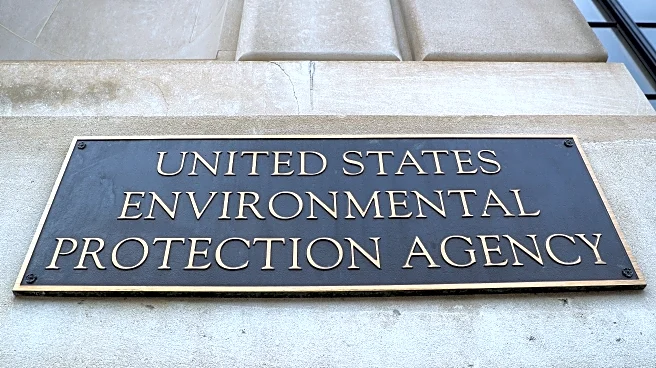
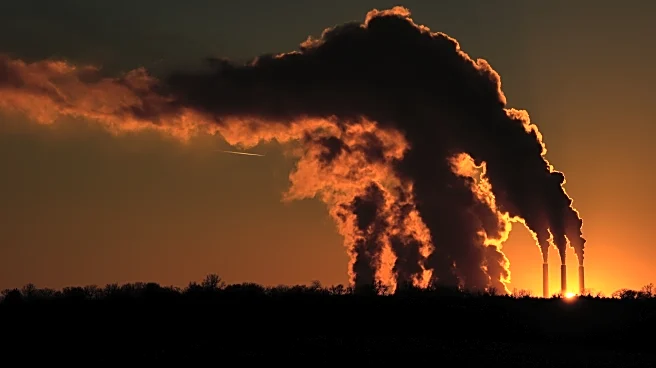
The Trump administration has decided to rescind a 2009 scientific finding that linked carbon dioxide to health dangers, a move that has guided pollution standards for over 15 years. This decision is part of a broader effort to roll back climate change
policies and promote fossil fuel development. The rollback is expected to create uncertainty and additional costs for businesses and investors, as companies may need to adjust their strategies under future administrations. Large multinational companies will still need to adhere to stricter emissions standards globally, despite the U.S. policy change.
Why It's Important?
The rollback of greenhouse gas regulations by the Trump administration could have significant implications for U.S. industries and investors. Companies that have invested heavily in emissions reduction may face stranded asset risks if policies change again. The uncertainty introduced by this policy shift could lead to increased volatility in supply chains, particularly affecting industries like semiconductors and power electronics. Investors and shareholder activists are concerned about the potential for increased operational costs and the impact on shareholder value. Despite the policy change, many U.S. companies remain committed to reducing emissions and adapting to a low-carbon economy.
What's Next?
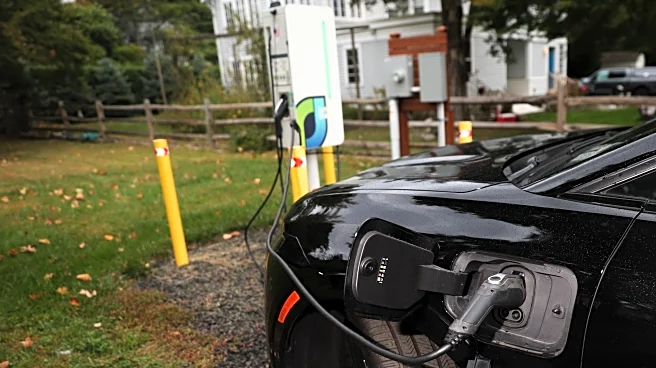
The policy reversal is likely to face legal challenges, as a federal court previously ruled against a similar attempt by the Department of Energy. Companies may need to prepare for potential policy reversals under future administrations, which could lead to further regulatory changes. Investors and global automakers will continue to demand climate risk management, regardless of U.S. policy, to protect shareholder value and comply with international standards. The ongoing commitment of U.S. companies to net-zero emissions by 2050 suggests that the transition to a low-carbon economy will continue, albeit with potential disruptions.