


What's Happening?
South Africa has announced its decision to withdraw its troops from the United Nations peacekeeping mission in the Democratic Republic of Congo (DRC). This decision, communicated by President Cyril Ramaphosa's office, is part of a strategic move to realign
the resources of South Africa's armed forces. South Africa has been a part of the UN peacekeeping efforts in the DRC for 27 years, with over 700 soldiers currently deployed. The UN mission, which has nearly 11,000 troops and police, aims to counter various rebel groups in the DRC's eastern region, an area plagued by conflict for decades. The withdrawal process is expected to be completed by the end of 2026, with South Africa working closely with the UN to finalize the timelines and modalities.
Why It's Important?
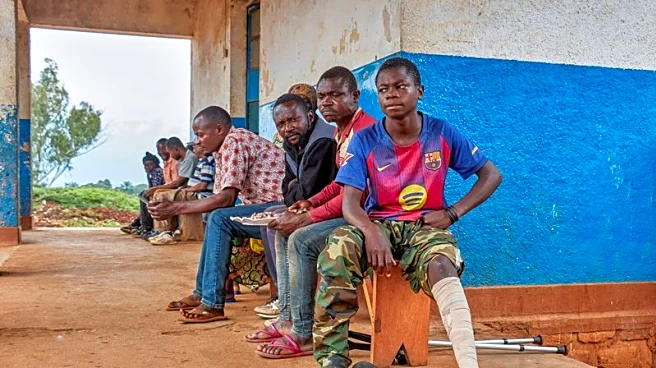
The withdrawal of South African troops from the DRC is significant as it marks a shift in the country's military strategy and resource allocation. This move could impact the stability of the region, as the UN mission plays a crucial role in countering rebel groups and maintaining peace. The decision also reflects South Africa's need to focus on its internal military priorities. For the DRC, the reduction in peacekeeping forces might lead to increased challenges in managing the ongoing conflict, potentially affecting regional security and humanitarian conditions. The international community, particularly countries involved in peacekeeping and regional stability, will be closely monitoring the situation.
What's Next?
As South Africa prepares to withdraw its troops, the focus will be on how the UN and other contributing nations will adjust their strategies to maintain peace in the DRC. The UN may need to seek additional support from other member states to fill the gap left by South Africa's withdrawal. Additionally, diplomatic efforts may intensify to address the root causes of the conflict in the DRC, with increased pressure on regional actors like Rwanda to play a constructive role. The international community will likely continue to engage in dialogue and negotiations to ensure a peaceful transition and sustained efforts towards stability in the region.