
What's Happening?
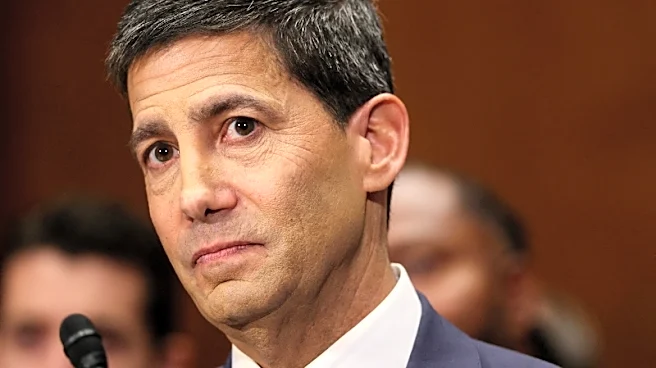
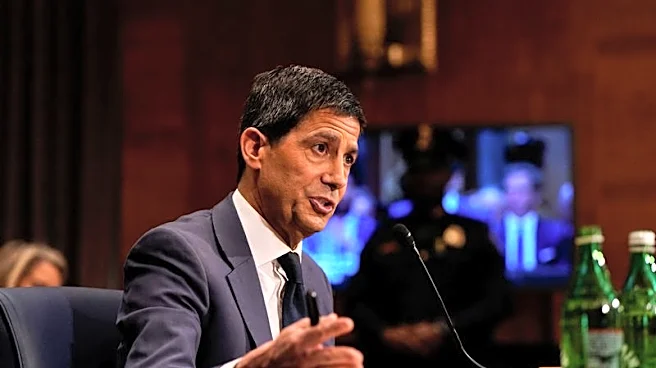
The Federal Reserve is grappling with rising inflation concerns as Kevin Warsh prepares to take over as chair, succeeding Jerome Powell. During the recent Federal Open Market Committee (FOMC) meeting,
members expressed worries about inflation, particularly due to the ongoing conflict in the Middle East affecting oil prices. The committee decided to keep the federal funds rate unchanged, but the inflationary pressures pose challenges for Warsh, who has advocated for lower interest rates. The transition in leadership comes at a critical time as the Fed navigates complex economic conditions.
Why It's Important?
The leadership change at the Federal Reserve is significant for U.S. monetary policy and economic stability. Warsh's approach to interest rates and inflation will be closely watched by markets and policymakers. The Fed's handling of inflation is crucial for maintaining economic growth and consumer confidence. The outcome of these decisions will impact various sectors, including housing, consumer goods, and energy, influencing prices and economic activity.
What's Next?
As Warsh assumes his role, the Federal Reserve will need to address inflationary pressures while balancing economic growth. Future FOMC meetings will be critical in determining the direction of interest rates and monetary policy. Stakeholders, including businesses and consumers, will be attentive to the Fed's actions and communications, which will shape economic expectations and strategies.