






What's Happening?
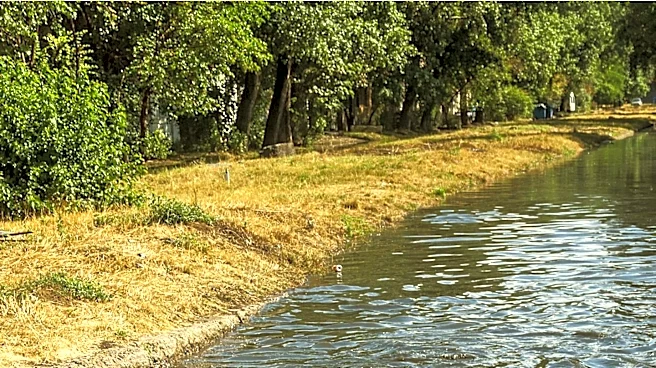
Swimming at Queen City Lake in LaFayette, Georgia, has been temporarily halted following the detection of elevated E. coli levels in the water. This discovery was made during routine water testing conducted in collaboration with the LaFayette High School
Marine Biology Club. As a precautionary measure, city officials have closed the swimming area along the shoreline. However, the dock and boat ramp remain open, and fishing activities are still permitted. The elevated bacteria levels are believed to be linked to local wildlife, particularly ducks, gathering near the beach. To mitigate future issues, visitors are being asked not to feed the ducks. The city is committed to daily water testing to monitor the situation and will provide updates as new test results become available.
Why It's Important?
The temporary suspension of swimming at Queen City Lake highlights the ongoing challenges of maintaining safe recreational water quality. Elevated E. coli levels pose health risks to swimmers, potentially leading to gastrointestinal illnesses. This situation underscores the importance of regular water quality monitoring and the role of local wildlife in influencing bacterial levels. The decision to keep the dock and boat ramp open while closing the swimming area reflects a balanced approach to public safety and recreational access. The incident also emphasizes the need for public cooperation in environmental management, such as refraining from feeding wildlife, to prevent similar occurrences in the future.
What's Next?
City officials plan to continue daily water testing to closely monitor E. coli levels at Queen City Lake. Depending on the results, further actions may be necessary to ensure public safety. Updates will be provided to the public as new information becomes available. The situation may prompt discussions on long-term strategies for managing wildlife interactions at recreational sites to prevent future bacterial contamination. Additionally, the city may consider educational campaigns to raise awareness about the impact of human activities on local ecosystems.