



What's Happening?
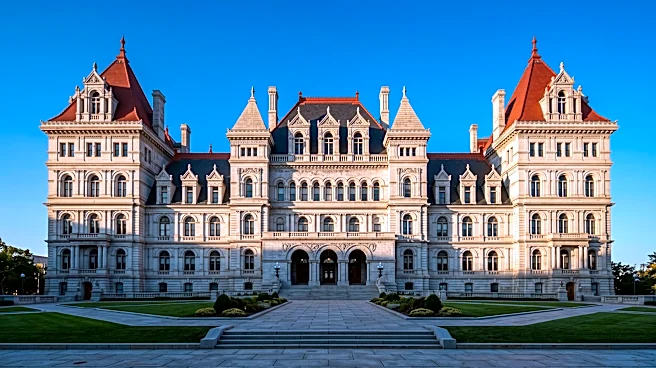
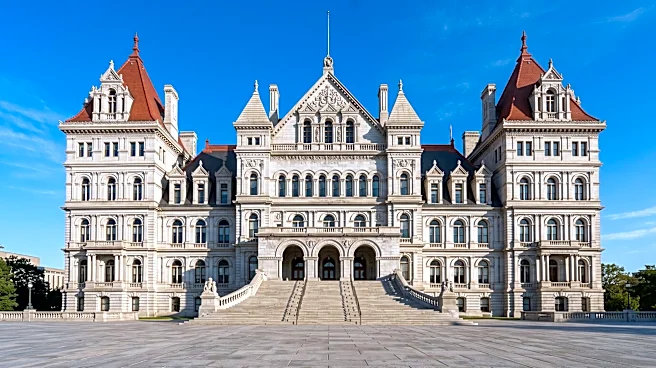
New York State legislators, Assembly Member Rosenthal and Senator Andrew Gounardes, have sponsored legislation (A771/S7915) aimed at requiring insurance coverage for nutritional supplements used in the early introduction of allergenic foods to infants.
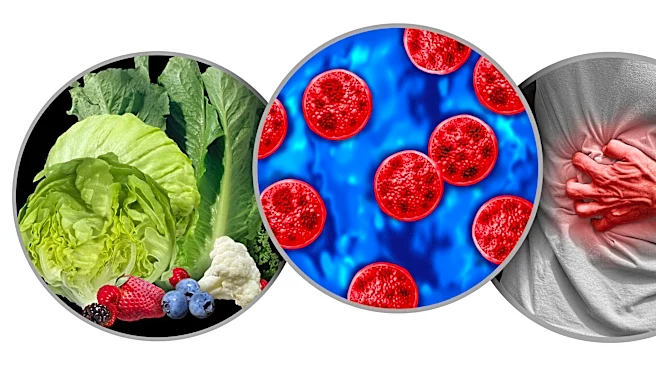
This bill is based on research indicating that early exposure to foods like peanuts and eggs during infancy can help prevent the development of allergies. The proposed legislation seeks to improve long-term health outcomes for children and potentially reduce healthcare costs associated with allergy treatment. Jon Terry, Co-Founder of Allergy Advocates New York, emphasized that this bill could enable insurance companies to cover a proven and effective therapy, building on previous legislation that capped insurance charges. The initiative is part of a broader effort by Allergy Advocates New York, which recently held a Food Allergy Awareness Day in Albany to advocate for policies protecting over 2 million New Yorkers with life-threatening allergies, including more than 200,000 children.
Why It's Important?
This legislation is significant for U.S. public health and healthcare policy, particularly in New York. Food allergies affect a substantial portion of the population, and the financial burden of managing them can be considerable for families. By mandating insurance coverage for early allergen introduction, the bill could make a scientifically supported preventive measure accessible to a wider demographic, potentially reducing the incidence of severe food allergies. This could lead to a decrease in emergency room visits, long-term medical treatments, and the overall economic strain on the healthcare system. Furthermore, it highlights a shift towards proactive, preventive healthcare strategies rather than solely reactive treatment. The involvement of advocacy groups like Allergy Advocates New York underscores the growing public demand for policies that address the challenges faced by individuals with life-threatening allergies, influencing legislative priorities and potentially setting a precedent for other states.
What's Next?
The proposed legislation (A771/S7915) will proceed through the New York State legislative process, requiring debate, potential amendments, and votes in both the Assembly and Senate. If passed by both chambers, it would then go to the executive branch for the Governor's signature to become law. Advocacy groups like Allergy Advocates New York will likely continue to lobby legislators and raise public awareness to garner support for the bill. The outcome of this legislation could influence similar policy discussions in other states, as the efficacy of early allergen introduction gains broader recognition. Additionally, the bill's passage could prompt insurance companies to adjust their coverage policies, potentially leading to new benefit structures for preventive allergy care. The long-term impact would involve monitoring the effectiveness of such programs in reducing allergy rates and associated healthcare expenditures.
Beyond the Headlines
Beyond the immediate legislative impact, this bill touches upon deeper societal and ethical considerations regarding access to preventive healthcare. If successful, it could challenge traditional insurance models that often prioritize treatment over prevention, potentially paving the way for more comprehensive preventive care coverage across various health conditions. The focus on early childhood interventions also highlights the growing understanding of developmental windows for health outcomes, emphasizing the importance of early life stages in shaping long-term health. Ethically, ensuring equitable access to allergy prevention, especially for lower-income families who might struggle with the cost of nutritional supplements, addresses health disparities. This legislative effort also reflects a broader cultural shift towards evidence-based health practices, where scientific research directly informs public policy to improve population health.