







What's Happening?
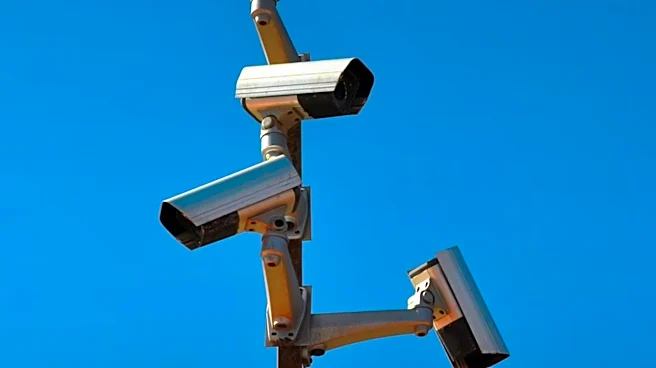
The American Civil Liberties Union (ACLU) of Massachusetts has introduced an online toolkit aimed at helping criminal defense attorneys uncover the use of surveillance technologies in building cases against their clients. This toolkit includes legal motions
designed to compel prosecutors to disclose whether technologies such as facial recognition, automatic license plate readers, and gunshot detection systems were used. The initiative seeks to address the gap between the adoption of surveillance tools by police and their legal scrutiny in courts. The ACLU's effort is part of a broader strategy to challenge the use of unregulated surveillance tools and ensure transparency in law enforcement practices.
Why It's Important?
The ACLU's initiative highlights significant concerns about privacy and civil liberties in the context of law enforcement's use of surveillance technologies. These tools, often adopted without public knowledge or legal oversight, can have profound implications for individual privacy rights and the fairness of the criminal justice system. By equipping defense attorneys with the means to challenge undisclosed surveillance, the ACLU aims to promote accountability and transparency. This effort could lead to increased scrutiny of surveillance practices and potentially influence policy changes to regulate the use of such technologies, impacting both legal proceedings and public trust in law enforcement.
What's Next?
The release of the toolkit is likely to prompt legal challenges that could set precedents for the disclosure and regulation of surveillance technologies in criminal cases. As defense attorneys begin to use these motions, courts may be forced to address the legality and transparency of various surveillance tools. This could lead to broader discussions about the balance between security and privacy, potentially resulting in legislative or policy changes. The ACLU's efforts may also encourage other civil rights organizations to pursue similar initiatives, further shaping the national conversation on surveillance and privacy rights.