






What's Happening?
Russia and Belarus have commenced the second stage of a joint military exercise involving the launch of ballistic, hypersonic, and cruise missiles capable of carrying nuclear warheads. The drills, observed by Russian President Vladimir Putin and Belarusian
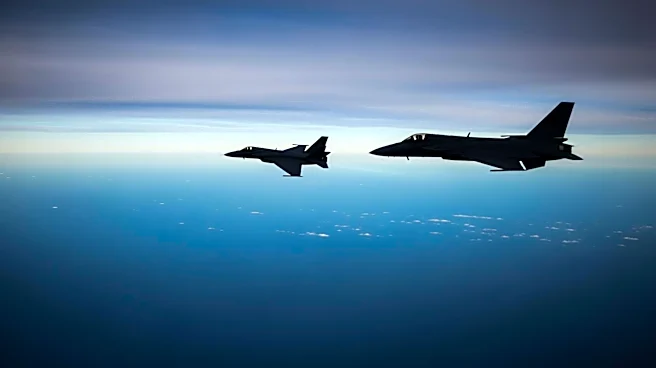
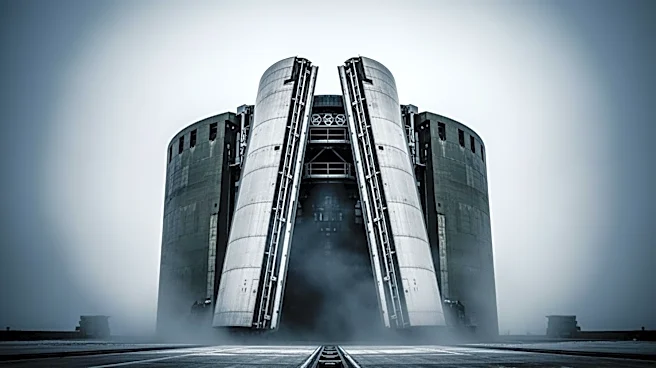
President Alexander Lukashenko via video link, are intended to test the readiness of both nations' armies to operate and use nuclear weapons. The exercise includes the launch of a Yars intercontinental ballistic missile from the Plesetsk Cosmodrome and a Zircon hypersonic missile from a frigate in the Barents Sea. Belarusian troops also fired an Iskander ballistic missile from the Kapustin Yar testing site. The drills involve approximately 64,000 troops and a variety of military equipment, including missile launchers, fighter jets, ships, and submarines.
Why It's Important?
The joint military exercises between Russia and Belarus come at a time of heightened tensions due to the ongoing conflict in Ukraine and domestic unrest in Russia over internet shutdowns. The drills serve as a demonstration of military strength and a signal to Western nations of Russia's nuclear capabilities. This move is seen as an attempt by Russia to project power and deter Western support for Ukraine, particularly the supply of advanced weapons systems. The exercises also highlight the close military cooperation between Russia and Belarus, which could have implications for regional security dynamics and NATO's strategic calculations.
What's Next?
The continuation of these military exercises may lead to increased tensions between Russia and Western nations, particularly NATO members. The drills could prompt further military readiness and strategic planning by NATO to counter potential threats. Additionally, the exercises may influence diplomatic relations and negotiations related to the conflict in Ukraine, as well as broader geopolitical stability in the region.