

What's Happening?
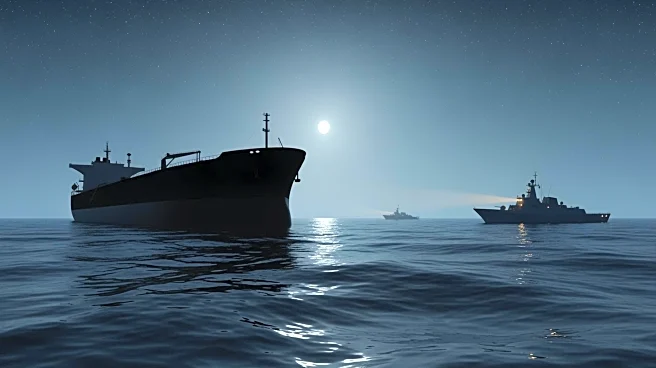
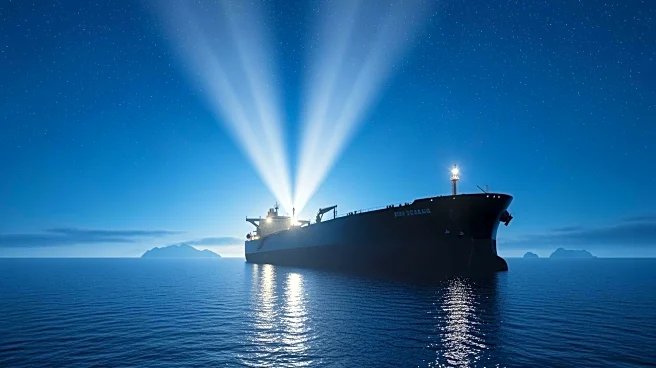
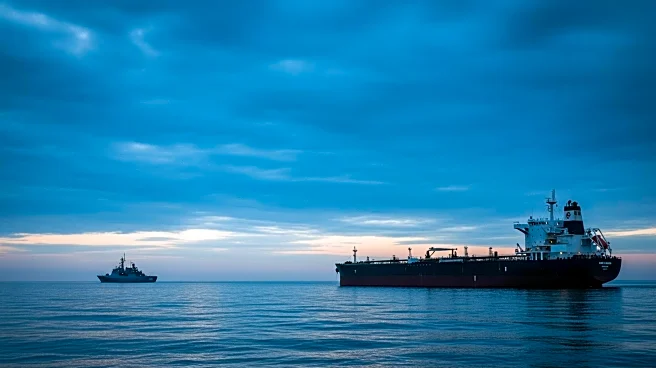
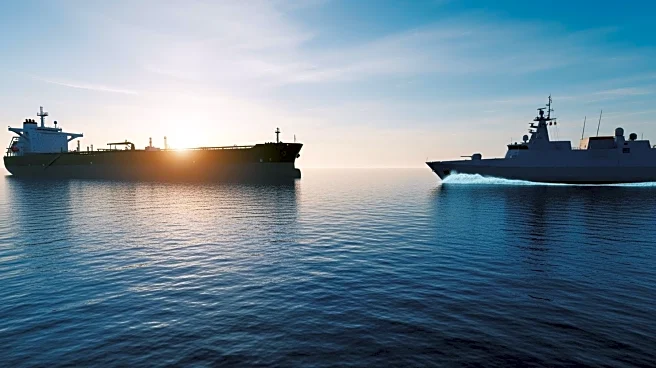
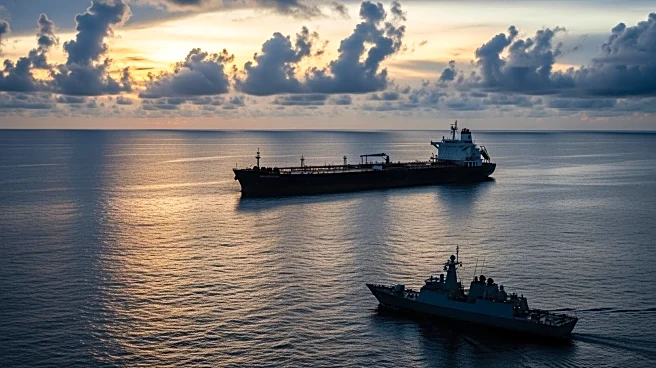
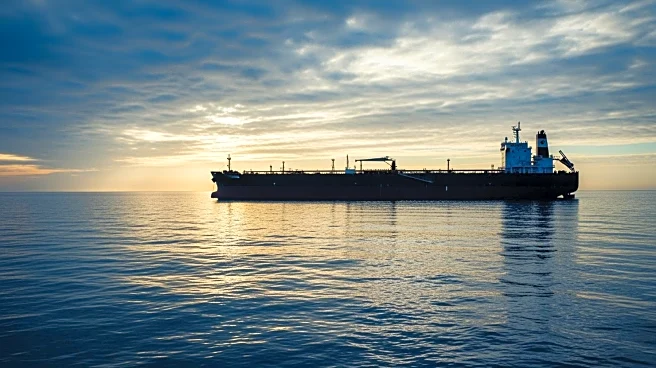
The U.S. military has boarded the Veronica III, a sanctioned oil tanker, in the Indian Ocean after tracking it from the Caribbean Sea. This action is part of the U.S. efforts to curb illicit oil trade linked to Venezuela. The tanker, flagged under Panama,
was involved in transporting oil in violation of U.S. sanctions. The operation follows a series of measures ordered by President Trump, including a quarantine on sanctioned tankers, aimed at pressuring Venezuela's former President Nicolás Maduro. The Veronica III was carrying nearly 2 million barrels of crude and fuel oil when it left Venezuela, coinciding with Maduro's capture in January. The U.S. military's actions are part of a broader strategy to control Venezuela's oil exports and enforce sanctions.
Why It's Important?
The interception of the Veronica III highlights the ongoing geopolitical tensions surrounding Venezuela's oil exports. The U.S. has imposed sanctions on Venezuela to limit its oil trade, which is a critical source of revenue for the country. By targeting tankers like the Veronica III, the U.S. aims to disrupt Venezuela's ability to circumvent these sanctions through a shadow fleet of falsely flagged vessels. This move underscores the U.S.'s commitment to enforcing its foreign policy objectives and maintaining pressure on the Venezuelan government. The operation also reflects broader international efforts to regulate illicit oil trade and ensure compliance with sanctions, which have significant implications for global oil markets and geopolitical alliances.
What's Next?
Following the boarding of the Veronica III, the U.S. military may continue to monitor and intercept other vessels suspected of violating sanctions. The fate of the Veronica III remains uncertain, as the U.S. has not disclosed whether the tanker will be formally seized. The ongoing enforcement of sanctions could lead to further diplomatic tensions between the U.S. and countries involved in the illicit oil trade. Additionally, the situation may prompt Venezuela to seek alternative routes or partners to sustain its oil exports. The international community will likely continue to watch these developments closely, as they have broader implications for global energy security and diplomatic relations.