



What's Happening?
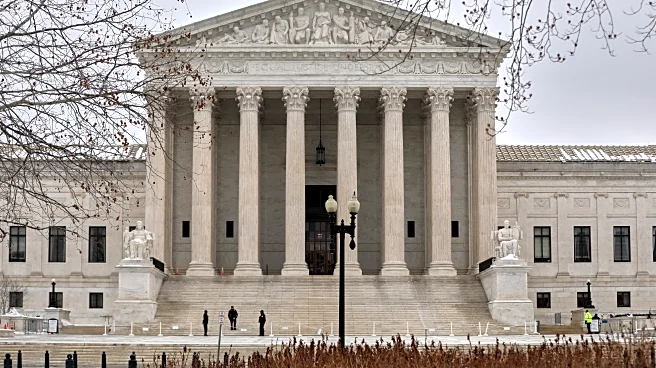
The U.S. Supreme Court has ruled in favor of parents' rights to be informed about their child's gender identity issues at school, a decision that has significant implications for California's education system. The ruling stems from the case Mirabelli
v. Bonta, where the court sided with U.S. District Judge Roger Benitez's interpretation that parents have a constitutional right to know about LGBTQ+ issues affecting their children. This decision challenges existing privacy policies in California schools, which often restrict what parents can be told about their child's gender expression if the child requests confidentiality. The ruling has left educators grappling with how to balance student privacy with parental rights, as the state must now provide guidance to its school systems.
Why It's Important?
This ruling is pivotal as it addresses the complex intersection of parental rights, student privacy, and educational policy. It has the potential to reshape how schools handle sensitive information about students, particularly those exploring gender identity. The decision could lead to significant changes in school policies across California, affecting thousands of students and their families. It also raises broader questions about the role of educators in navigating issues of gender identity and the extent to which parents should be involved. The ruling may influence similar cases nationwide, setting a precedent for how courts balance individual rights and state policies.
What's Next?
California's Department of Education faces immediate pressure to comply with the ruling and provide clear guidance to schools. The state must navigate the legal and ethical challenges of implementing the court's decision while ensuring student safety and privacy. The ruling may prompt legislative action to address the gaps between state policies and federal court decisions. Additionally, the case is likely to continue through the appeals process, potentially reaching the Supreme Court again for a final decision. Stakeholders, including educators, parents, and advocacy groups, will be closely monitoring the developments and may seek to influence policy changes.