





What's Happening?
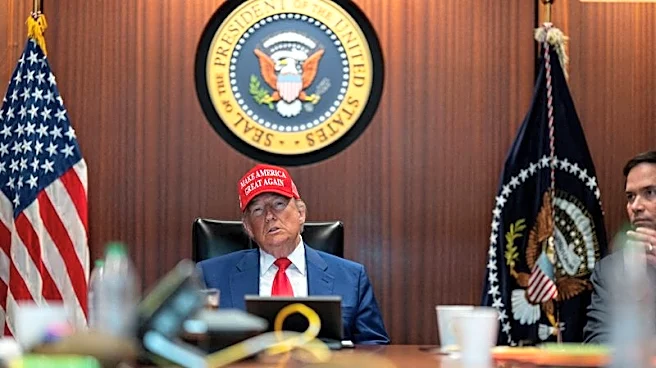
President Trump is facing ongoing challenges as the conflict with Iran continues without a clear resolution. Despite military actions that have degraded Iran's capabilities, key objectives such as regime change and halting Iran's nuclear ambitions remain
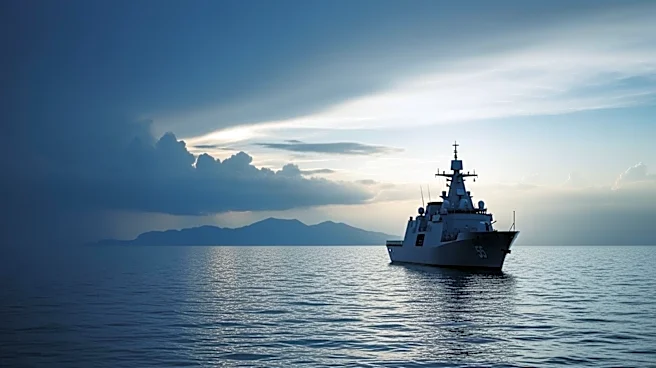
unmet. The conflict has led to global economic repercussions, including high U.S. gasoline prices, which could impact the upcoming midterm elections. Iran has proposed negotiations, but Trump has rejected these offers, insisting on addressing the nuclear issue first. The situation remains tense, with potential for renewed hostilities as Trump considers a prolonged naval blockade to pressure Iran.
Why It's Important?
The prolonged conflict with Iran poses significant risks for the U.S., both domestically and internationally. Economically, the conflict contributes to rising oil prices, affecting consumers and businesses. Politically, it could influence voter sentiment in the midterm elections, potentially impacting Republican prospects. Internationally, the standoff affects global stability and U.S. relations with allies. The inability to achieve stated objectives could damage Trump's legacy and the U.S.'s strategic position in the Middle East. The situation underscores the complexities of foreign policy and the challenges of achieving diplomatic resolutions in volatile regions.
What's Next?
The future of the conflict remains uncertain, with potential for both diplomatic and military developments. Trump may pursue a naval blockade to further pressure Iran, while keeping military options open. The international community, particularly European allies, is closely monitoring the situation, with expectations of a prolonged standoff. The outcome of the conflict could have lasting implications for U.S. foreign policy and regional dynamics in the Middle East. Continued negotiations and strategic decisions will be crucial in determining the path forward and achieving a resolution.