




What's Happening?
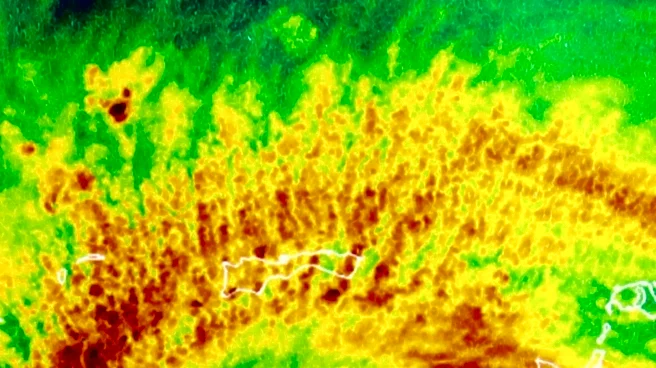
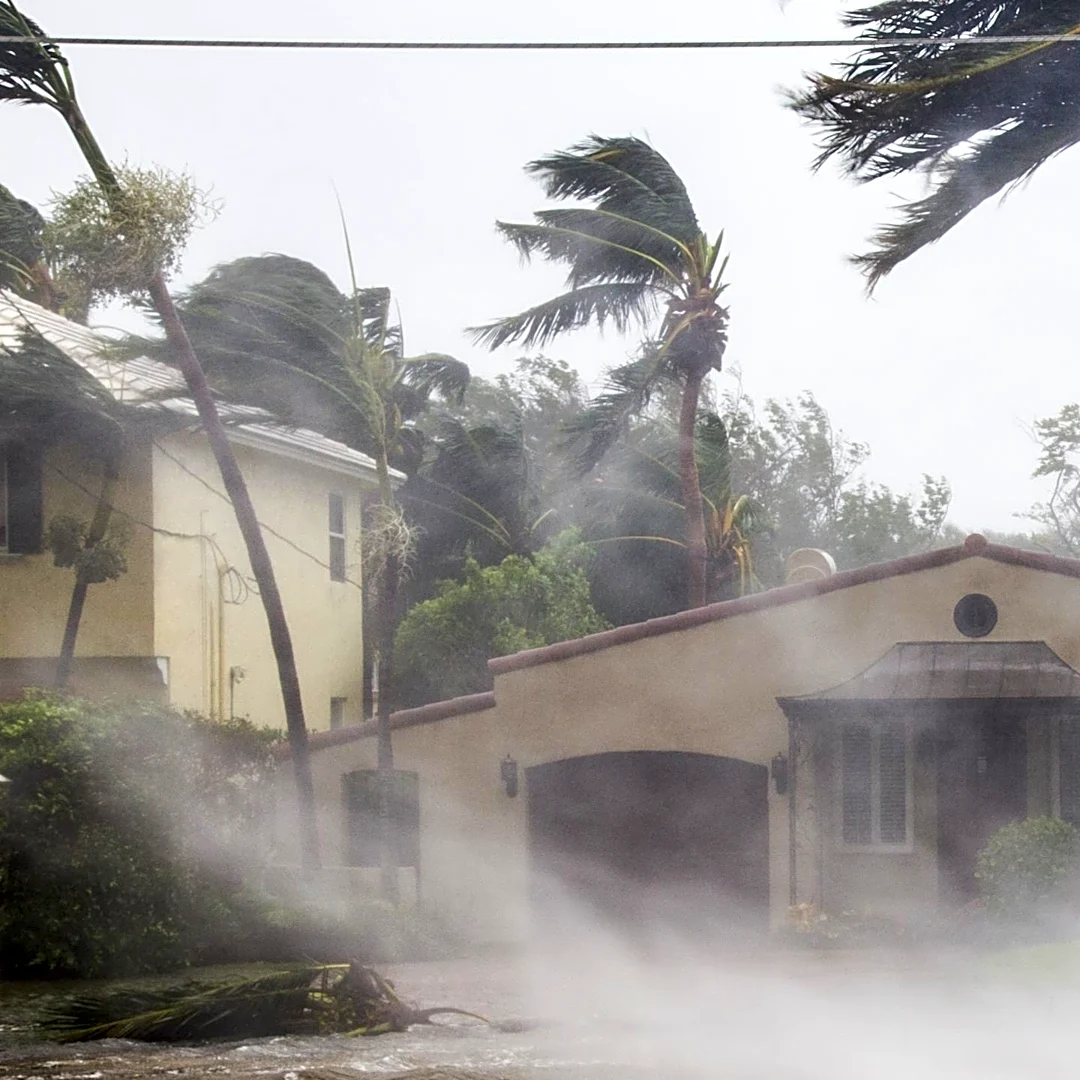
The Philippines was under a Red alert from October 14 to October 25, 2026, due to Tropical Cyclone CHAMPI-26, as reported by the Global Disaster Alert and Coordination System (GDACS). The cyclone recorded extreme wind speeds of 296.294 km/h during episode
46 of the event. GDACS also indicated that China, Guam, Japan, and the Republic of Korea were affected by the same tropical cyclone during this period. The alert level was classified as RED, signifying a high level of concern due to the severity of the weather event. This information was detected on November 11, 2026, following the cyclone's impact. The event highlights the increasing frequency and intensity of natural disasters, exacerbated by climate change and phenomena like El Niño, which pose significant threats to vulnerable regions.
Why It's Important?
The Red alert issued for Tropical Cyclone CHAMPI-26 underscores the severe and immediate threat posed by extreme weather events to the Philippines and surrounding nations. Wind speeds of nearly 300 km/h can cause catastrophic damage to infrastructure, displace large populations, and lead to significant loss of life. For the Philippines, a nation frequently impacted by typhoons, such events strain emergency response capabilities, healthcare systems, and economic stability. The broader regional impact, affecting countries like China, Japan, and South Korea, highlights the interconnectedness of disaster preparedness and response in the Asia-Pacific. The increasing intensity of these cyclones, linked to climate change, suggests a growing need for robust climate adaptation strategies and international cooperation to mitigate humanitarian crises and economic disruptions.
What's Next?
Following the impact of Tropical Cyclone CHAMPI-26, immediate efforts will likely focus on damage assessment, humanitarian aid, and recovery operations in the affected areas of the Philippines and other impacted nations. International aid organizations and regional bodies will likely coordinate to provide assistance, including food, shelter, and medical supplies. In the longer term, there will be an increased emphasis on strengthening early warning systems and disaster preparedness infrastructure to better withstand future extreme weather events. Discussions around climate change mitigation and adaptation strategies are also expected to intensify, as the frequency and severity of such cyclones are projected to increase. Regional cooperation mechanisms, such as those for emergency rice reserves, will be crucial in ensuring food security and rapid response to future disasters.
Beyond the Headlines
The extreme nature of Tropical Cyclone CHAMPI-26, with its near-300 km/h winds, points to a critical escalation in the climate crisis, pushing the boundaries of what communities can adapt to. Beyond the immediate physical destruction, such events can trigger long-term socio-economic consequences, including internal displacement, increased poverty, and potential migration pressures. The repeated exposure to such powerful storms can also lead to significant psychological trauma within affected populations. Ethically, it raises questions about global responsibility for climate change, as vulnerable nations often bear the brunt of impacts from emissions largely generated elsewhere. Legally, it may prompt further calls for climate justice and international mechanisms to support loss and damage in developing countries, highlighting the urgent need for global solidarity and equitable climate action.