





What's Happening?
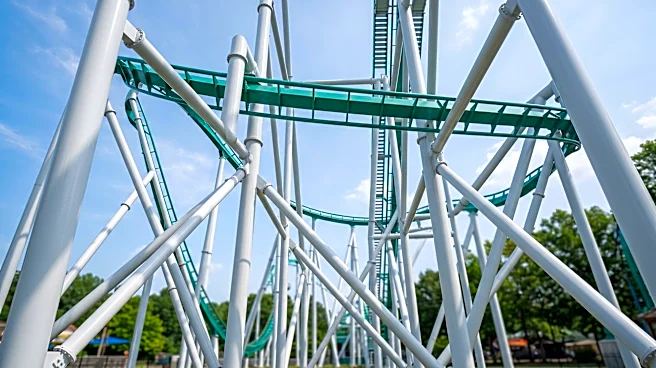
The Fury 325 roller coaster at Carowinds theme park in Charlotte, North Carolina, was shut down for nearly six weeks in the summer of 2023 after a park visitor, Jeremy Wagner, filmed a significant crack in a steel support column. Wagner's video, which
showed daylight passing through the crack and the column flexing as trains passed, quickly circulated online. This discovery occurred despite regular inspections, including an annual inspection by the state's Amusement Device Bureau in February 2023 and daily maintenance walk-throughs, none of which had identified the severe structural flaw. North Carolina Labor Commissioner Josh Dobson indicated that the crack appeared to have been developing for several days prior to its public discovery. The manufacturer, Bolliger & Mabillard, was involved in the repair process, which included building and installing a new steel column and a thorough inspection of the entire structure, revealing a second weld problem later in July.
Why It's Important?
This incident raises critical questions about the efficacy of current amusement park safety inspection protocols and the role of public vigilance in identifying potential hazards. For the U.S. amusement park industry, it underscores the need for re-evaluating inspection methodologies, particularly for large, high-speed attractions like giga coasters. The fact that a visitor's smartphone camera detected a flaw missed by trained inspectors highlights a potential gap in traditional inspection processes, which may not account for the dynamic observation capabilities of a large crowd. This event could lead to increased scrutiny from regulatory bodies and a demand for more advanced or frequent inspection techniques across the industry, potentially increasing operational costs for parks. It also impacts public trust in ride safety, which is paramount for the industry's economic viability.
What's Next?
Following the incident, Carowinds conducted over 500 full cycles of the Fury 325 before reopening it on August 10, 2023, after nearly six weeks of closure and repairs. The broader amusement park industry may face pressure to review and potentially enhance their inspection and maintenance procedures. Regulatory bodies, such as state labor departments and amusement device bureaus, might consider updating guidelines or increasing oversight to prevent similar occurrences. There could be a push for integrating new technologies or methodologies into inspections that can detect subtle structural issues more effectively. Furthermore, theme parks might need to address public perception concerns regarding ride safety, potentially through more transparent communication about their safety measures and inspection processes to reassure visitors.
Beyond the Headlines
The Fury 325 incident illuminates a fascinating shift in the dynamics of public safety and oversight, where the 'crowd with cameras' can sometimes act as an unexpected, real-time monitoring system. While not a substitute for professional engineering and inspections, the event demonstrates how ubiquitous smartphone technology can inadvertently serve as an early warning system for critical infrastructure failures. This phenomenon has broader implications beyond amusement parks, suggesting that in an increasingly connected world, public observation can play a role in identifying issues that traditional systems might miss. It also highlights the ethical responsibility of individuals to report such findings and the rapid dissemination of information through social media, which can quickly mobilize responses from authorities and operators. The incident prompts a re-evaluation of how organizations integrate public input and digital evidence into their safety protocols.