
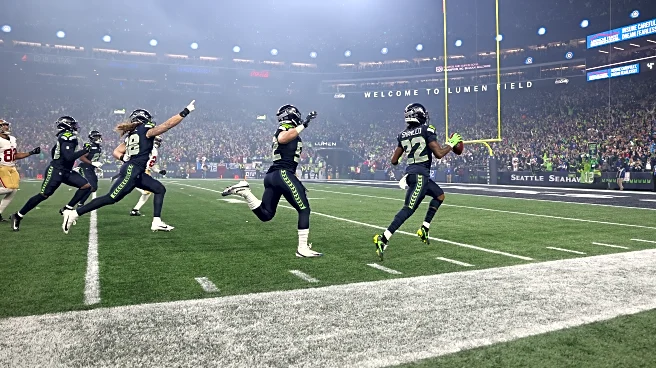

What's Happening?
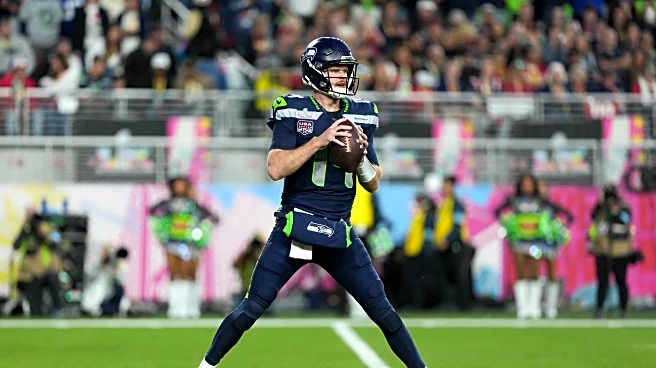
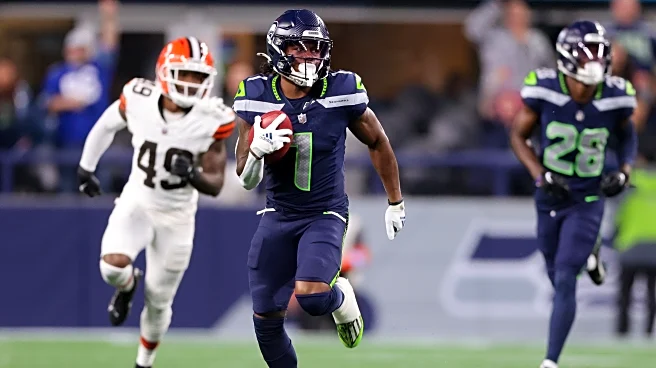
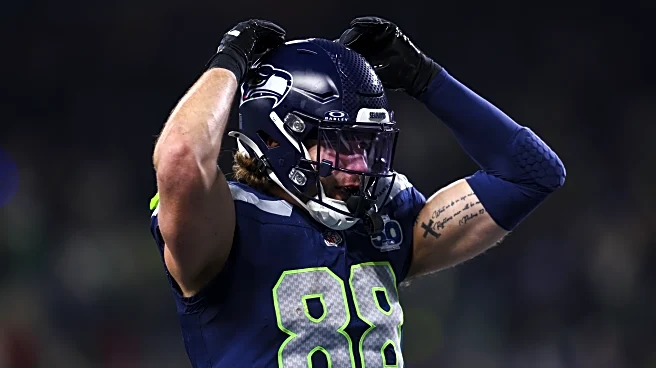
Seattle is preparing for a large-scale celebration to honor the Seattle Seahawks' Super Bowl victory with a parade scheduled for February 11. The event is expected to draw up to a million fans to downtown Seattle. In response, regional transit agencies
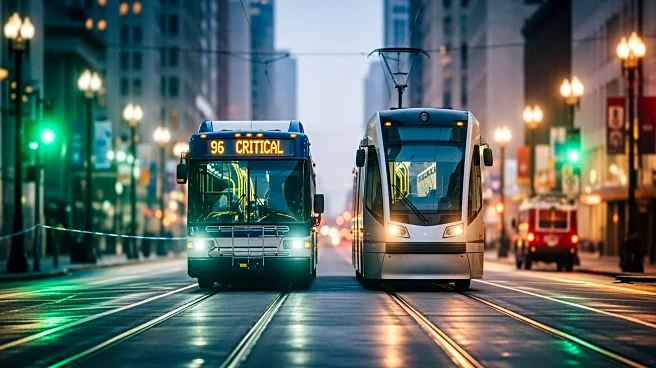
are implementing extensive measures to manage the anticipated influx of people. King County Metro, Sound Transit, and other transit services are planning to reroute buses and increase train services to accommodate the crowds. Special shuttles will operate within the downtown core, and additional trains will run throughout the day. Key streets in downtown Seattle will be closed early on the day of the parade, affecting regular transit routes. Metro General Manager Michelle Allison and Sound Transit CEO Dow Constantine have emphasized the importance of public transit in ensuring a smooth and safe celebration.
Why It's Important?
The parade is a significant event for Seattle, celebrating the Seahawks' achievement and bringing together a large community of fans. The transit adjustments highlight the city's commitment to public safety and efficient transportation during major events. The successful management of such a large crowd can enhance Seattle's reputation as a city capable of hosting large-scale public events. It also underscores the importance of public transit infrastructure in urban planning and event management. The event provides an opportunity for transit agencies to demonstrate their capacity to handle increased demand, which could influence future investments and improvements in the region's transportation network.
What's Next?
As the parade approaches, transit agencies will continue to refine their plans and communicate updates to the public. Riders are encouraged to check transit service advisories and plan their trips accordingly. The success of the transit operations during the parade could lead to further discussions on improving public transportation in Seattle. Additionally, the event may prompt city officials to consider strategies for managing large crowds in future events, potentially influencing policy decisions related to urban planning and public safety.