



What's Happening?
Throughout September 2026, Vanderbilt University faculty, researchers, and leaders engaged with lawmakers in Washington, D.C., to advocate for federal investment in research and education. Organized by the Office of Federal Relations, these engagements
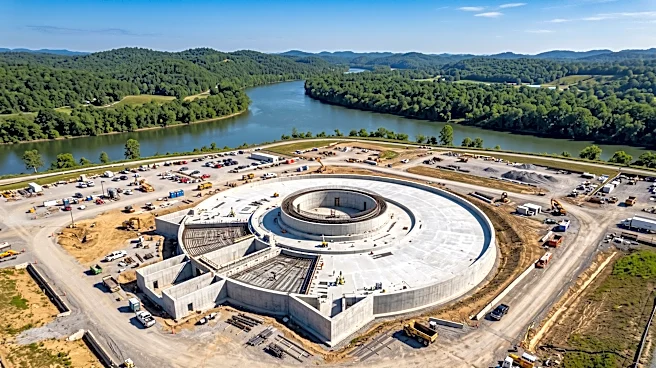
highlighted Vanderbilt’s expertise in areas such as democracy in the Americas, education research, nuclear waste management, and Tennessee’s economic and workforce priorities. Meetings were held with various congressional offices, including those of Senator Marsha Blackburn (R-Tenn.), Senator Bill Hagerty (R-Tenn.), and Representative Chuck Fleischmann (R-Tenn.). The university emphasized its role as a research institution, educator, employer, and partner in Tennessee’s innovation economy, underscoring the value of federal funding for ongoing research partnerships and the development of a specialized workforce.
Why It's Important?
Vanderbilt University's advocacy efforts in Washington, D.C., are crucial for securing federal funding that supports critical research and educational initiatives. This funding directly impacts the university's ability to conduct groundbreaking research, develop innovative solutions to national challenges, and train the next generation of skilled professionals. For U.S. society, continued investment in research institutions like Vanderbilt translates into advancements in various fields, from public health and environmental sustainability to technological innovation and economic growth. The emphasis on workforce development ensures a pipeline of talent for key industries, strengthening the nation's competitive edge. Without adequate federal support, the pace of scientific discovery and educational progress could slow, potentially hindering the U.S.'s ability to address complex societal issues and maintain its global leadership in innovation.
What's Next?
Vanderbilt University will continue its efforts to engage with federal lawmakers and agencies to secure sustained investment in research and education. The university's ongoing advocacy will likely focus on demonstrating the tangible benefits of its research and educational programs to national priorities. This includes showcasing how federal funding contributes to economic development, workforce readiness, and solutions for critical issues like nuclear waste management and democratic governance. Future engagements may involve further briefings, presentations, and collaborations with policymakers to ensure that federal budgets reflect the importance of university-led research. The success of these efforts will be measured by the level of federal funding allocated to research institutions and the subsequent impact on national innovation and education.
Beyond the Headlines
Vanderbilt's proactive engagement in Washington, D.C., highlights a broader trend of academic institutions playing an increasingly vital role in shaping national policy and investment priorities. This direct advocacy underscores the ethical responsibility of universities to translate their research into public good and to inform policy decisions with evidence-based insights. Legally, the allocation of federal funds to research institutions is governed by complex legislative processes, and universities must navigate these frameworks to secure support. Culturally, the collaboration between academia and government reinforces the value of intellectual inquiry and expert knowledge in addressing societal challenges. The long-term implication is a stronger integration of research and policy, fostering a more informed and innovative approach to national development.