


What's Happening?
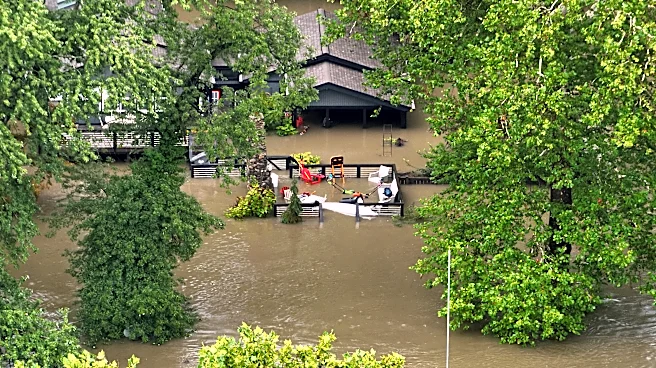
Heavy monsoon rains on Friday led to significant flooding across southern Utah, particularly impacting Apple Valley. Residents, emergency crews, and volunteers in Apple Valley initiated extensive cleanup efforts to assist affected property owners. The
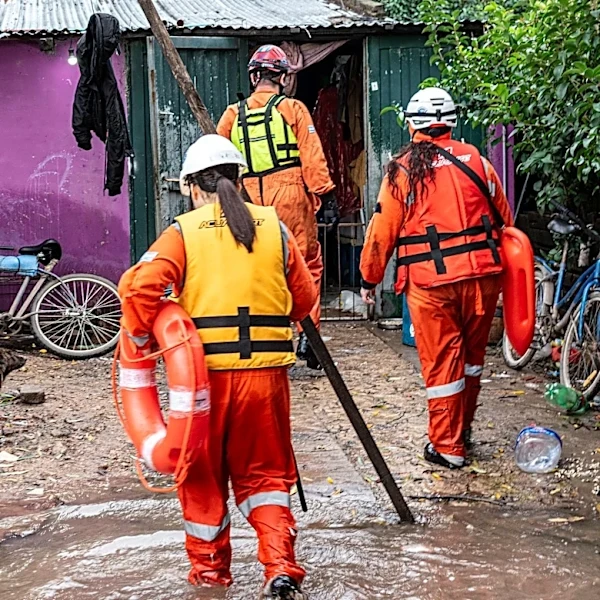
Apple Valley Fire Department reported that basements were flooded, necessitating cleanup operations. The community response included residents bringing their own equipment and volunteering alongside emergency personnel. Crews from the Hildale-Colorado City area provided early assistance, while Washington County and UZONA emergency management coordinated resources. The American Red Cross also engaged with property owners to offer support. This flooding event stretched emergency resources across the region, as other southern Utah communities also experienced similar monsoon-related inundation. In Hurricane, a nearby city, flooding caused by water breaching Gould Wash damaged and destroyed homes, leaving multiple families facing substantial recovery challenges.
Why It's Important?
The widespread flooding in southern Utah highlights the significant vulnerability of communities to extreme weather events, particularly during monsoon seasons. The immediate impact includes property damage, displacement of residents, and the strain on local emergency services. The need for community-wide volunteer efforts and inter-agency coordination underscores the scale of the disaster and the importance of robust disaster preparedness and response mechanisms. For affected residents, the financial and emotional toll of property damage and displacement can be substantial, potentially leading to long-term recovery processes. The incident also brings to light the potential for infrastructure failures, such as the breaching of Gould Wash in Hurricane, which can exacerbate flood impacts. This event serves as a critical reminder for local governments and residents to assess and strengthen flood mitigation strategies and emergency protocols in areas prone to monsoon activity.
What's Next?
Following the immediate cleanup efforts, affected communities in southern Utah will likely focus on long-term recovery and mitigation strategies. This will involve assessing the full extent of property damage and coordinating assistance for residents, potentially through relief funds like the one launched by Hurricane City. Local authorities will also need to investigate the causes of infrastructure failures, such as the breach of Gould Wash, to implement preventative measures for future monsoon seasons. Discussions around improving drainage systems, reinforcing natural barriers, and updating emergency response plans are anticipated. Furthermore, there may be a push for increased public awareness campaigns regarding flood preparedness and the importance of community volunteering during such crises. The American Red Cross and other aid organizations will continue to provide support to affected families, focusing on immediate needs and facilitating access to recovery resources.
Beyond the Headlines
The recurring nature of monsoon-related flooding in regions like southern Utah points to broader challenges related to climate patterns and urban development. While monsoons are a natural phenomenon, their intensity and impact can be exacerbated by factors such as climate change, which may lead to more extreme rainfall events. Additionally, rapid urbanization and inadequate infrastructure planning can contribute to increased runoff and overwhelmed drainage systems, turning heavy rainfall into destructive floods. This situation raises questions about sustainable development practices in arid and semi-arid regions that are increasingly experiencing intense weather. The reliance on volunteer efforts, while commendable, also highlights potential gaps in formal disaster response capabilities or the sheer scale of events that can overwhelm even well-prepared communities. Addressing these deeper issues will require a multi-faceted approach, combining climate adaptation strategies, resilient infrastructure development, and comprehensive community engagement in disaster preparedness.