




What's Happening?
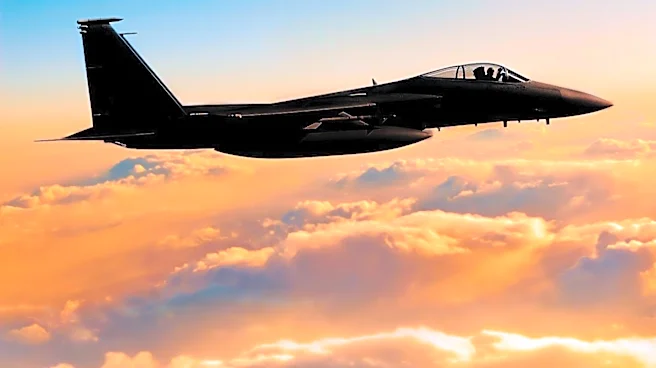
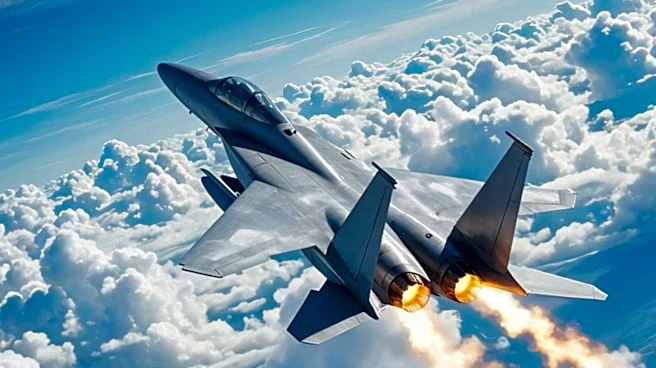
Japan's Ministry of Defense has signed four new contracts to modernize its F-15J fighter jets to the JSI (Joint Service Engineered) version, with the U.S. Air Force as a signatory to all transactions under the Foreign Military Sales (FMS) program. The
total value of these contracts is approximately $267.75 million. This upgrade program aims to enhance the combat capabilities of Japan's F-15J aircraft, bringing them closer to the F-15EX Eagle II standard. The modernization includes the procurement of upgrade equipment, communication systems, flight support equipment, and logistical support for the refurbishment process. A key component of the upgrade is the replacement of the mechanically scanned AN/APG-63(V)1 radar with the AN/APG-82(V)1, which features an active electronically scanned array (AESA) antenna. Additionally, electronic warfare systems, radar radiation warning sensors, and communication systems are being upgraded, and the combat payload capacity will be significantly increased.
Why It's Important?
This extensive upgrade of Japan's F-15J fleet is strategically important for regional security and U.S. defense interests in the Indo-Pacific. By enhancing Japan's air defense capabilities, the modernization strengthens a key U.S. ally, contributing to a more stable balance of power in a region with increasing geopolitical tensions. The involvement of the U.S. Air Force through the FMS program underscores the deep defense cooperation between the two nations and provides significant revenue for U.S. defense contractors like Boeing. The improved F-15JSI aircraft will be better equipped to counter modern aerial threats, thereby bolstering collective security and potentially reducing the burden on U.S. forces in the region. This also signifies a continued commitment to interoperability between U.S. and Japanese military assets.
What's Next?
The modernization program will proceed with the procurement and installation of the new equipment, including the advanced AN/APG-82(V)1 AESA radar and upgraded electronic warfare systems. Mitsubishi Heavy Industries, in collaboration with Boeing, will continue the refurbishment process, with ongoing research into the feasibility of installing domestically produced AESA radar on modernized fighter aircraft. The upgraded F-15JSI jets are expected to enter service, significantly enhancing Japan's air self-defense capabilities. This initiative may also pave the way for future defense collaborations and technology transfers between the U.S. and Japan, further integrating their defense industrial bases and operational strategies. The successful implementation of this program could serve as a model for other U.S. allies seeking to modernize their air forces.
Beyond the Headlines
The F-15JSI upgrade program highlights a broader trend of U.S. allies investing in advanced military technology to maintain a qualitative edge in complex security environments. This not only supports the U.S. defense industry but also reinforces a network of technologically advanced partners capable of joint operations. The shift to AESA radar technology and enhanced electronic warfare capabilities reflects the evolving nature of aerial combat, where stealth and electronic superiority are increasingly critical. Furthermore, Japan's research into domestically produced AESA radar indicates a long-term strategic goal of reducing reliance on foreign suppliers for critical defense components, fostering its own defense industrial base while still leveraging international partnerships for immediate needs. This balance between self-sufficiency and alliance cooperation is a key aspect of modern defense policy.