



What's Happening?
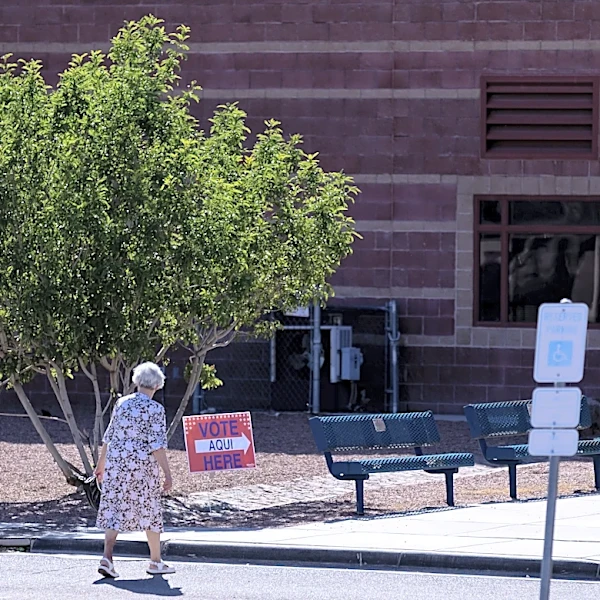
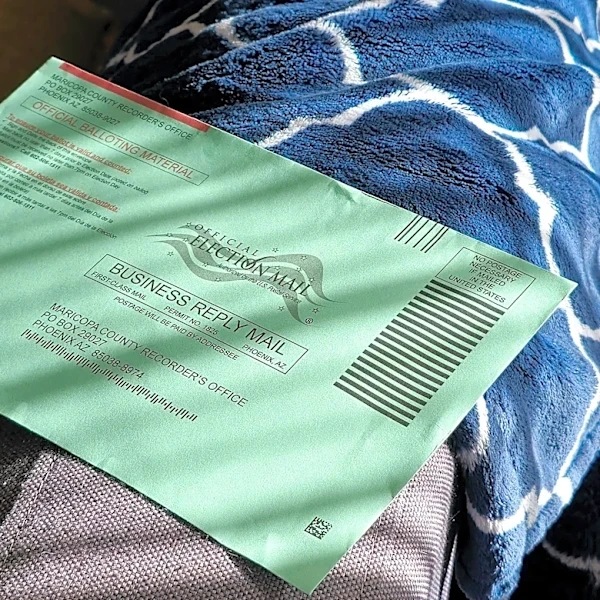
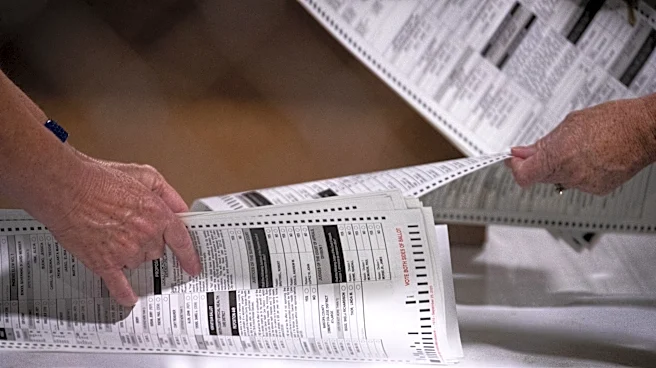
Arizona voters will decide on Proposition 317 in the upcoming November election, a ballot measure that proposes designating drug cartels as terrorist organizations. If passed, the proposition would require the Arizona Department of Homeland Security to
utilize all available authority to address the threats posed by these cartels. This measure was referred to the ballot by Republican lawmakers in 2025, following Democratic Governor Katie Hobbs's veto of a similar bill in 2023. Governor Hobbs had argued that designating terrorist organizations is a federal responsibility and that such a state-level action is not a 'real solution' and falls outside state functions.
Why It's Important?
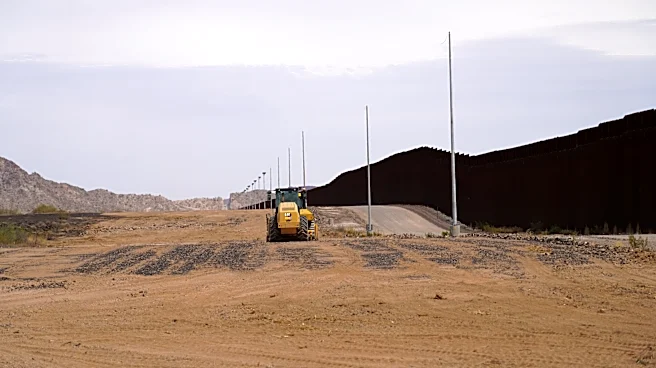
Proposition 317 is highly significant for Arizona, a border state heavily impacted by drug trafficking and cartel activities. Proponents, like Arizona House Speaker Steve Montenegro, believe that designating cartels as terrorist organizations would provide law enforcement with additional tools and resources to combat these groups, acting as a deterrent and preventing drugs from entering the state. This could have a direct impact on public safety and the ongoing fentanyl crisis. However, opponents, including former Arizona Democratic Party chair Raquel Teran, argue that the proposition is largely symbolic, lacks additional funding for law enforcement, and does not impose harsher penalties. They maintain that such designations are best left to the federal government, questioning the practical effectiveness of a state-level declaration. The outcome will reflect Arizona voters' stance on state versus federal authority in national security matters and their preferred approach to combating organized crime.
What's Next?
Leading up to the November election, public debate and campaign efforts surrounding Proposition 317 are expected to intensify. Supporters will likely emphasize the need for stronger state action against cartels and the potential benefits for law enforcement, while opponents will highlight concerns about the measure's practical impact and the appropriate division of governmental responsibilities. Voters will need to weigh these arguments, considering the potential legal and operational implications of a state-level terrorist designation. The result will not only determine Arizona's approach to combating drug cartels but could also influence similar legislative efforts in other border states, potentially sparking broader discussions about state sovereignty in national security issues.
Beyond the Headlines
Proposition 317 delves into complex legal and ethical questions regarding the definition of terrorism and the division of powers between state and federal governments. While the federal government has designated some drug cartels as foreign terrorist organizations, a state-level designation raises questions about jurisdiction, international relations, and the potential for conflicting legal frameworks. The debate also touches on the effectiveness of symbolic legislative actions versus concrete policy changes, such as increased funding or enhanced law enforcement capabilities. Furthermore, it highlights the emotional and political weight of the term 'terrorist organization,' and how its application can shape public perception and policy responses to criminal activities. The long-term implications could include legal challenges, shifts in state law enforcement strategies, and a re-evaluation of how states can effectively address transnational criminal organizations within their borders.