




What's Happening?
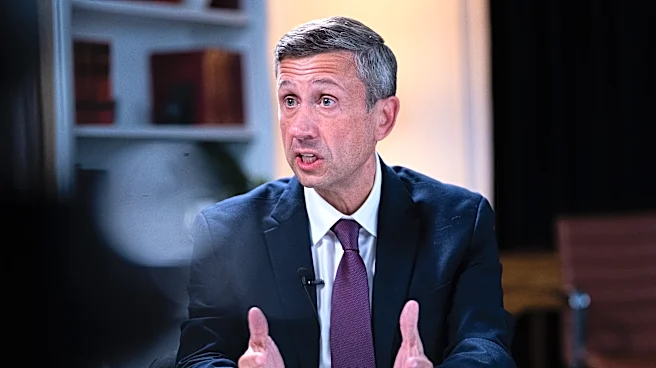
A recent poll conducted by Change Research for Chris Jones' campaign reveals that the Democratic challenger is closing in on Republican incumbent Mike Naig in the race for Iowa Secretary of Agriculture. The poll, conducted from July 28 to August 1, shows
Naig leading Jones by a narrow margin of 42% to 40% before respondents were informed about the candidates' backgrounds. After receiving more information, Jones took the lead with 46% compared to Naig's 40%. The poll surveyed 1,071 likely voters and has a margin of error of +/- 3.1 percentage points. Jones, a research scientist and advocate for clean water, is campaigning on issues such as water quality and sustainable agriculture, which appear to resonate with voters across party lines. Naig, who has served as Secretary of Agriculture since 2018, is focusing on his record of supporting local farmers and expanding export markets.
Why It's Important?
The poll results suggest a competitive race for the position of Iowa Secretary of Agriculture, highlighting voter concerns about environmental issues, particularly water quality. Jones' campaign emphasizes the need for stricter regulations on agricultural practices to address pollution, a stance that seems to attract bipartisan support. This race could have significant implications for Iowa's agricultural policies, especially regarding environmental regulations and support for local food systems. The outcome may influence how agricultural and environmental issues are prioritized in the state, potentially affecting farmers, agribusinesses, and the broader community. The close race also indicates a potential shift in voter sentiment, reflecting dissatisfaction with the status quo and a desire for change in agricultural leadership.
What's Next?
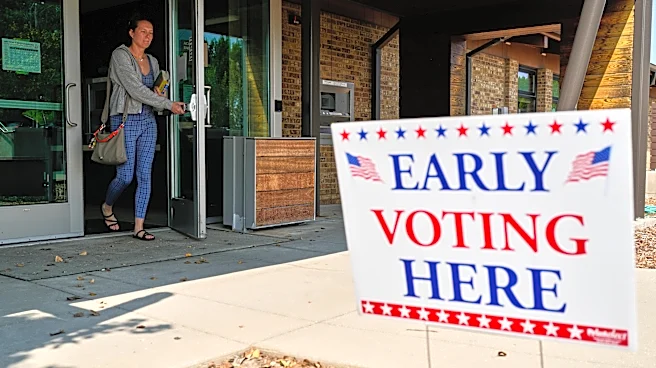
As the election approaches, both candidates are likely to intensify their campaigns to sway undecided voters. Jones will continue to focus on his message of clean water and sustainable agriculture, aiming to capitalize on the growing concern over environmental issues. Naig, on the other hand, may seek to reinforce his achievements and address criticisms regarding his handling of water quality issues. The race is expected to draw significant attention from both parties, with potential increases in campaign funding and strategic efforts to mobilize voters. The outcome could set a precedent for future agricultural policy debates in Iowa and beyond.