



What's Happening?
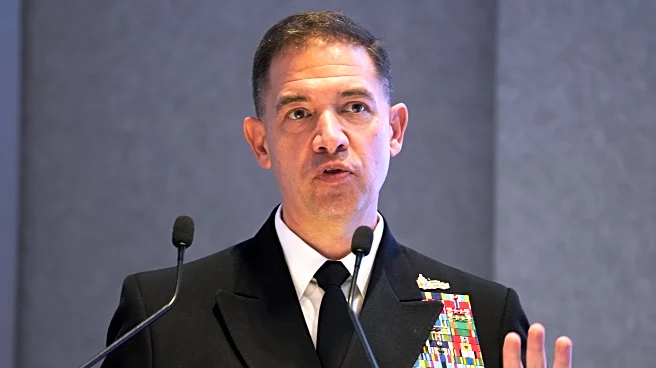
Lt. Gen. Francis Donovan, nominated to lead the U.S. Southern Command (SOUTHCOM), appeared before the Senate Armed Services Committee to discuss his potential oversight of U.S. military operations in Latin America. The hearing focused on the expanded
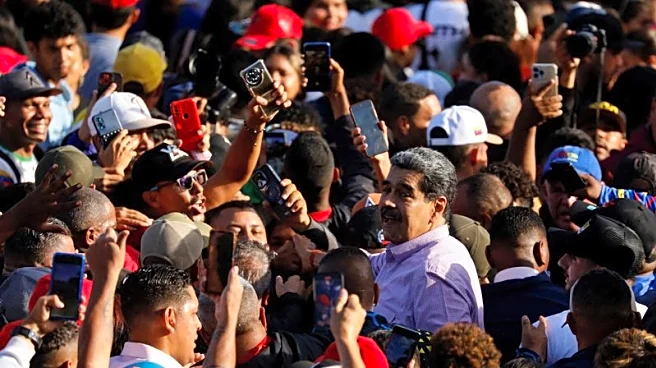
military presence in the region, initiated before the capture of Venezuelan leader Nicolás Maduro. Donovan, currently the vice commander of the U.S. Special Operations Command, admitted to not being fully briefed on the long-term plans for the region. The increased military activity, including strikes on drug-smuggling boats and the seizure of oil tankers, has raised questions about international law and the use of force. Senators, including Democrat Mark Kelly and Independent Angus King, pressed Donovan for clarity on the strategic objectives and future of SOUTHCOM under his leadership.
Why It's Important?
The confirmation of Lt. Gen. Donovan is significant as it comes amid heightened U.S. military activities in Latin America, a region historically sensitive to American intervention. The Senate's scrutiny reflects concerns over the Trump administration's military strategies and their implications for international relations and regional stability. The operations in Venezuela, particularly the capture of Maduro, mark a notable extension of U.S. influence, potentially affecting diplomatic ties and regional power dynamics. The outcome of Donovan's confirmation could influence U.S. military policy and its approach to Latin American affairs, impacting both regional allies and adversaries.
What's Next?
If confirmed, Donovan will need to navigate the complexities of U.S. military engagement in Latin America, balancing strategic objectives with diplomatic considerations. The Senate's focus on transparency and adherence to international law suggests that Donovan's leadership will be closely monitored. Future military actions in the region could face increased scrutiny, and Donovan may need to work with lawmakers to define clear objectives and ensure compliance with legal standards. The confirmation process itself will likely continue to highlight broader debates about U.S. foreign policy and military intervention.