







What's Happening?
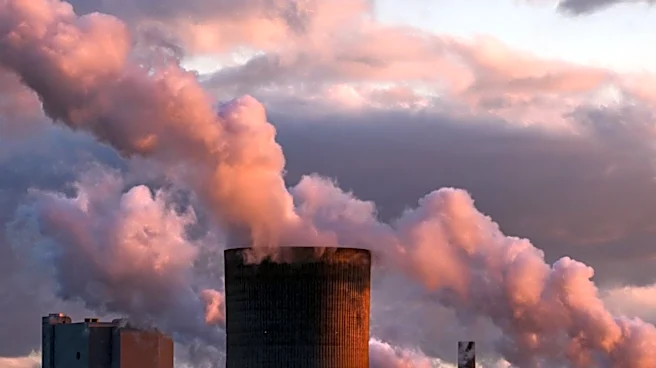
The European Commission has proposed revisions to the EU's emissions trading system (ETS), which could allow certain industries to continue emitting greenhouse gases without paying until 2038. The proposal aims to provide 80% of free emissions permits
upfront to companies investing in decarbonization, with the remaining 20% contingent on fulfilling these plans. The ETS, a key tool in the EU's climate strategy, covers sectors like steel and cement, accounting for a significant portion of EU emissions. The proposed changes have sparked debate among industrial leaders and environmental groups, with negotiations set to continue over the next year.
Why It's Important?
The EU's emissions trading system is a cornerstone of its climate policy, designed to reduce greenhouse gas emissions and promote sustainable industrial practices. The proposed changes could impact the effectiveness of the ETS, potentially delaying emissions reductions in key sectors. This has raised concerns among environmental advocates who argue for stricter measures to meet climate targets. The outcome of these negotiations will have significant implications for the EU's ability to achieve its climate goals and maintain its leadership in global climate policy. The revisions also highlight the ongoing tension between economic interests and environmental commitments.
What's Next?
The proposed revisions to the ETS will undergo further negotiations among EU member states and lawmakers. The outcome will determine the future direction of the EU's climate strategy and its ability to meet emissions reduction targets. Stakeholders, including industry leaders and environmental groups, will continue to lobby for their interests, influencing the final decision. The EU's approach to emissions trading could serve as a model for other regions, impacting global climate policy. The negotiations will be closely watched by international observers, as the EU's actions could set a precedent for balancing economic growth with environmental sustainability.