
What's Happening?
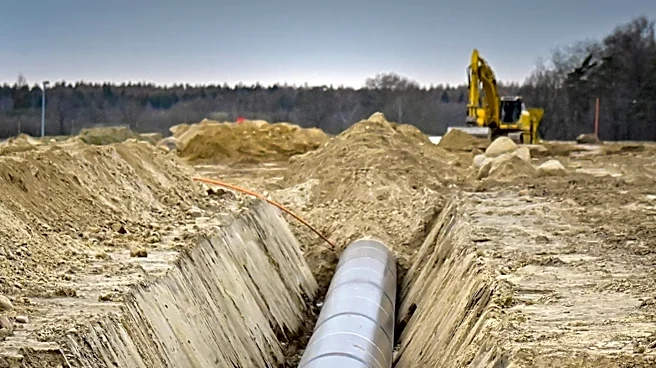
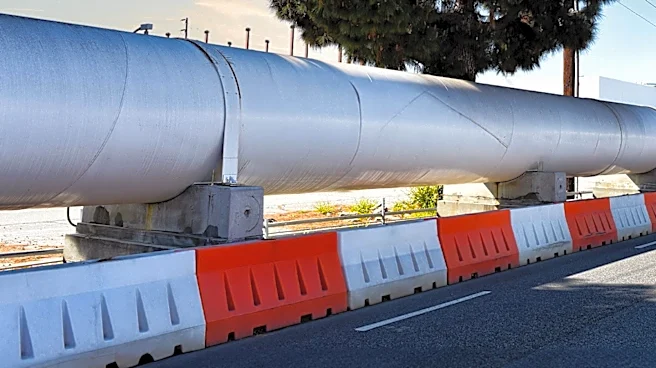
The Montana Department of Environmental Quality (DEQ) has withdrawn a waiver previously granted to the Bridger Pipeline Expansion project, which is set to run from Canada through Montana and Wyoming. This
decision comes after the environmental law firm Earthjustice filed a complaint on behalf of two Montana residents, arguing that the waiver allowed Bridger to omit crucial financial and environmental data from its state permit application. The pipeline, expected to cost $2 billion, aims to transport crude tar sands oil and has been compared to the Keystone XL Pipeline. The DEQ's reversal means Bridger must now provide the omitted information to proceed with the permitting process.
Why It's Important?
The withdrawal of the waiver by the DEQ highlights the ongoing tension between environmental concerns and energy infrastructure development. The Bridger Pipeline, if completed, would significantly increase the transportation of crude oil through Montana, raising environmental and safety concerns among local communities and environmental groups. The decision underscores the importance of thorough environmental reviews in large-scale energy projects, ensuring that potential impacts on local ecosystems and communities are fully considered. This development could set a precedent for how similar projects are evaluated in the future, potentially influencing policy and regulatory approaches to energy infrastructure.
What's Next?
Bridger Pipeline Expansion, LLC must now submit the required financial and environmental data to the DEQ to continue the permitting process. The project also requires federal approval, which may be influenced by the current administration's stance on fossil fuel projects. Environmental groups are likely to continue monitoring the situation closely, potentially leading to further legal challenges if concerns are not adequately addressed. The DEQ's decision may prompt other states to reevaluate their permitting processes for similar projects, potentially leading to stricter regulations and increased scrutiny of energy infrastructure developments.