



What's Happening?
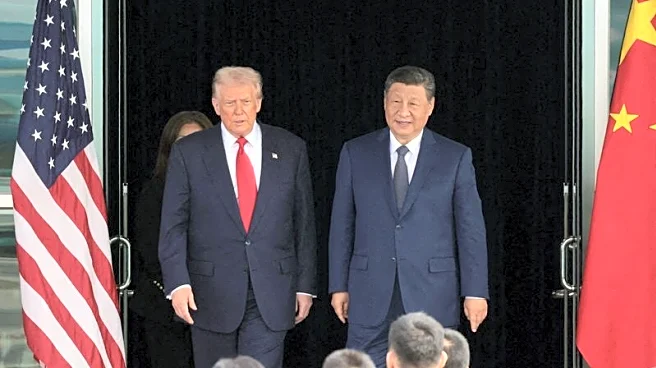
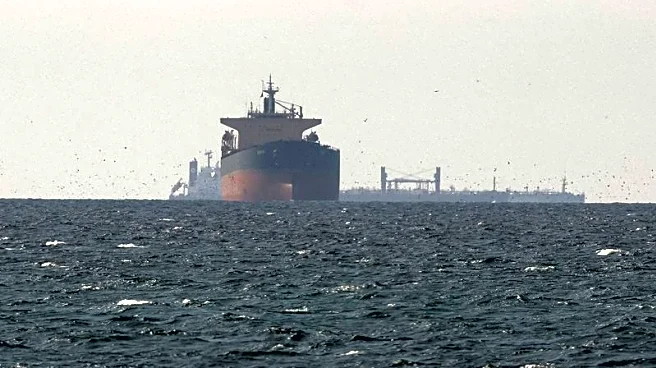
China has declined to assist the U.S. in reopening the Strait of Hormuz, a critical oil passage, amid the ongoing Iran conflict. President Trump had requested China's help as the U.S. faces challenges in managing the situation. The conflict has led to a halt
in oil movement through the strait, raising concerns about global economic impacts. Analysts suggest that China may benefit from the U.S.'s entanglement in the Middle East, as it delays Trump's planned visit to Beijing. The Chinese Foreign Ministry has called for an end to military operations to prevent further regional instability.
Why It's Important?
The refusal by China to aid in reopening the Strait of Hormuz highlights the geopolitical complexities of the Iran conflict and its implications for U.S.-China relations. The situation underscores the strategic rivalry between the two nations, with China potentially gaining leverage as the U.S. navigates the Middle Eastern crisis. The conflict's impact on global oil supply and prices could have significant economic repercussions, affecting energy markets and international trade. The delay in Trump's visit to China also reflects the broader challenges in U.S.-China diplomatic engagements.
What's Next?
The U.S. will need to explore alternative strategies to manage the Strait of Hormuz situation, potentially seeking support from other allies. The delay in Trump's visit to China may provide both countries with more time to address underlying tensions and negotiate on trade and other issues. The ongoing conflict in Iran will continue to be a focal point in international relations, with potential shifts in alliances and strategies as countries respond to the evolving situation.