







What's Happening?
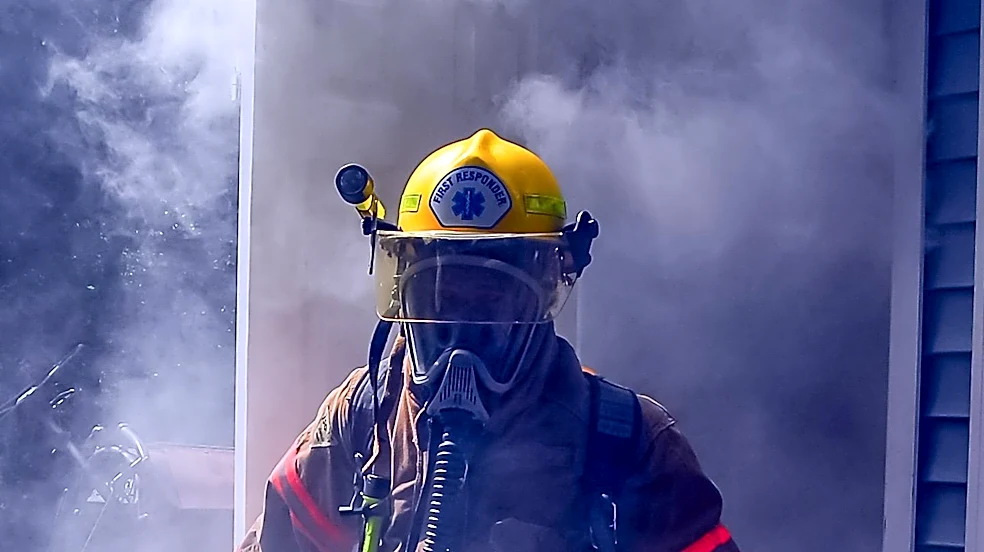
The Winchester Fire Department, under the leadership of Fire Chief Scott Patterson, is responsible for providing primary fire and emergency medical services (EMS) to the City of Winchester, Indiana. The department operates as a combination unit, employing
9 full-time and 8 part-time personnel. Staffing is maintained at 3 individuals per day, working on a three-shift rotation. The EMS division offers Advanced Life Support (ALS) at the Paramedic level, which represents the highest prehospital emergency care available. The department's primary response vehicle is Engine 4, a 2019 Toyne apparatus equipped with a 1,250-gallon capacity, four air pack seats, and a top-mount pump. The Fire Department's facilities are situated on the south side of the City Building on Washington Street. Chief Patterson is specifically listed as being on B-Shift, alongside Jeff Benson (FF/P) and Daniel Fry (FF/EMT). Other shifts include A-Shift with Captain Shawn Patterson (FF/EMT), Jacob Draughn (FF/P), and Noah Shaneyfelt (FF/AEMT), and C-Shift with Assistant Chief Dalton Brown (P), Captain Kent VanNote (FF/EMT), and Seth Clevenger (FF/P). The department also lists several part-time staff members.
Why It's Important?
The continuous operation and staffing of the Winchester Fire Department are crucial for the safety and well-being of the City of Winchester's residents. The provision of Advanced Life Support (ALS) at the Paramedic level ensures that critical emergency medical care is readily available, which can significantly impact patient outcomes in time-sensitive situations. The department's structure, combining full-time and part-time staff across multiple shifts, highlights a common model for smaller municipal emergency services, balancing resource allocation with comprehensive coverage. The specific mention of Engine 4 and its capabilities underscores the department's investment in modern equipment, which is vital for effective fire suppression and rescue operations. The leadership of Chief Scott Patterson and the organized shift structure are fundamental to maintaining operational readiness and ensuring a coordinated response to emergencies, directly contributing to public safety and community resilience in Winchester.
What's Next?
The Winchester Fire Department will continue its daily operations, providing essential fire and emergency medical services to the community. The established shift rotations, including Chief Scott Patterson's role on B-Shift, will remain in effect to ensure continuous coverage. The department will likely continue to focus on maintaining its current staffing levels and ensuring the readiness of its equipment, such as Engine 4. Ongoing training for its personnel, including Firefighters (FF), Emergency Medical Technicians (EMT), Paramedics (P), and Advanced Emergency Medical Technicians (AEMT), will be a priority to uphold the high standards of care and response. Assistant Chief Dalton Brown, who is also responsible for prevention and inspections, will likely continue efforts in fire safety education and code enforcement within the city. The department's commitment to providing ALS at the Paramedic level suggests a continued emphasis on advanced prehospital care.
Beyond the Headlines
The structure of the Winchester Fire Department, a 'combination department' with both full-time and part-time employees, reflects a broader trend in many smaller U.S. municipalities to optimize emergency services with limited resources. This model allows for flexibility in staffing while still providing critical services like ALS. The reliance on a dedicated team, including Chief Scott Patterson and his shift members, highlights the personal commitment required in such roles, often extending beyond typical work hours due to the unpredictable nature of emergencies. The department's location within the City Building on Washington Street also signifies its integration into the municipal infrastructure, emphasizing the community-centric approach to public safety. The continuous provision of high-level emergency care, such as Paramedic-level ALS, underscores the ethical imperative of local governments to ensure their citizens have access to life-saving interventions, regardless of the size of the community.