




What's Happening?
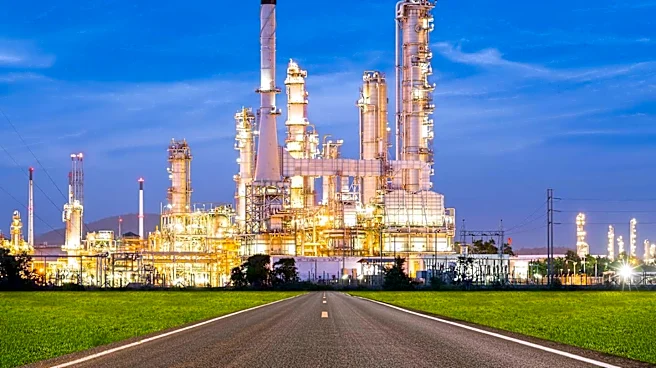
Bangladesh is experiencing a severe power crisis, with widespread electricity outages affecting various regions. The crisis is primarily due to a shortage of natural gas, exacerbated by a fire incident at an LNG terminal and rough weather conditions.
The power shortages have led to significant disruptions in daily life and economic activities, prompting the government to impose restrictions on business operating hours. In response, Bangladesh has sought additional diesel supplies from India to alleviate the situation. The crisis has also led to public unrest, with attacks on power facilities reported in some areas.
Why It's Important?
The power crisis in Bangladesh highlights the country's heavy reliance on imported fuel and the vulnerabilities in its energy infrastructure. The disruptions have significant economic implications, affecting industries such as agriculture and textiles, which are crucial to Bangladesh's economy. The situation underscores the need for Bangladesh to diversify its energy sources and improve its energy security. The crisis also has regional implications, as Bangladesh's request for assistance from India reflects the interconnectedness of energy markets in South Asia. The situation may prompt discussions on energy cooperation and infrastructure development in the region.
What's Next?
Bangladesh is likely to continue seeking external assistance to manage the immediate crisis, while also exploring long-term solutions to enhance its energy security. This may involve investments in renewable energy and infrastructure improvements to reduce dependence on imported fuels. The government may also need to address public dissatisfaction and ensure the stability of its energy supply to prevent further unrest. Regional cooperation with neighboring countries like India could play a crucial role in addressing the energy challenges faced by Bangladesh and ensuring a more resilient energy system.