



What's Happening?
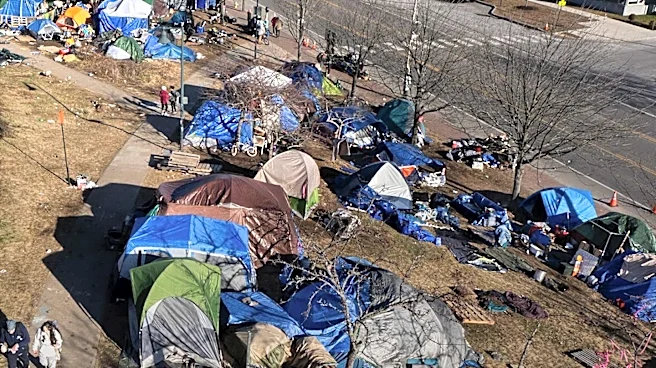
Homeless individuals in Anchorage, Alaska, are experiencing substantial difficulties in accessing fresh drinking water. This issue is highlighted by the experiences of people like Chris Leonard and Mickey Toorak, who often rely on outdoor spigots or the kindness
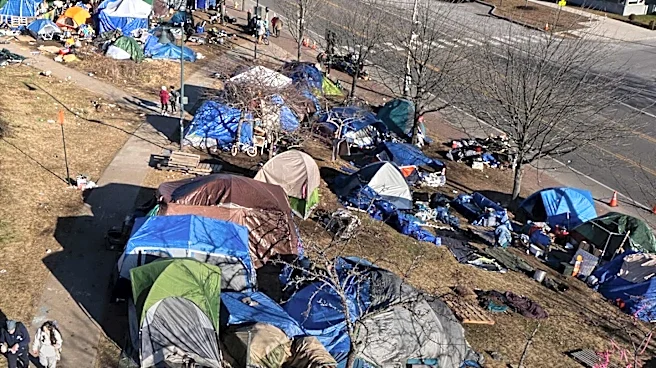
of apartment dwellers for water. Jessica Parks, interim executive director of the Anchorage Coalition to End Homelessness, notes the absence of public drinking water fountains in the city. Many private businesses also restrict bathroom access to customers, further limiting options for unhoused individuals to fill water containers. Derek Walsh, who previously experienced homelessness, emphasized that while city-sanctioned camps offered water access, the current dispersed nature of homeless encampments makes finding water and electricity for basic needs, such as charging phones for job applications, much harder. The Mayor Suzanne LaFrance’s administration has prioritized making restrooms and water fountains in municipal buildings accessible to the public, and the city-funded homeless resource and navigation center also provides these amenities. However, these efforts do not fully address the widespread need, especially during non-business hours.
Why It's Important?
The lack of accessible fresh drinking water for Anchorage's homeless population poses significant public health and humanitarian concerns. Dehydration and waterborne illnesses are serious risks for individuals without consistent access to clean water. The inability to easily obtain water also impacts personal hygiene, which can exacerbate health problems and make it harder for individuals to maintain dignity and seek employment. The situation underscores a broader systemic issue of inadequate public infrastructure and support for vulnerable populations in urban areas. When basic necessities like water are scarce, it creates a cycle of hardship that makes it exceedingly difficult for homeless individuals to improve their circumstances. The reliance on informal sources or limited public facilities highlights a gap in essential services that other cities, like Seattle, have begun to address by expanding public drinking water stations. This issue affects not only the unhoused but also reflects on the community's commitment to public welfare and human rights.
What's Next?
Advocates like Jessica Parks and artist Duke Russell are pushing for expanded public access to drinking water, including the installation of more public drinking water stations, similar to initiatives in other U.S. cities. Russell has also organized efforts to collect and distribute clean, empty juice containers filled with water to homeless residents. These distributions occur twice weekly at Anchorage City Hall and Lutheran Social Services. The Mayor's administration's commitment to advertising public access to restrooms and water fountains in municipal buildings is a step, but its effectiveness will depend on widespread awareness and consistent implementation. The long-term solution will likely involve a multi-faceted approach, combining increased public infrastructure, continued community-led initiatives, and potentially policy changes to encourage private businesses to be more accommodating. The ongoing challenge of dispersed encampments means that mobile or decentralized water solutions might also be necessary to reach those in less visible locations.
Beyond the Headlines
The struggle for fresh water in Anchorage for the homeless population reveals deeper societal issues beyond mere infrastructure. It highlights the often-overlooked daily indignities and survival challenges faced by those experiencing homelessness. The choice between carrying a blanket or a water bottle, as noted by Parks, illustrates the severe trade-offs individuals must make when living on the streets. This situation also brings to light the ethical responsibility of a community to provide basic human needs, regardless of an individual's housing status. The lack of public facilities can lead to increased stigmatization and isolation, as unhoused individuals are often barred from places where they could access water. This issue is not just about water; it's about dignity, public health, and the fundamental right to basic resources. Addressing it requires a shift in public perception and policy that recognizes the humanity and essential needs of all residents.