





What's Happening?
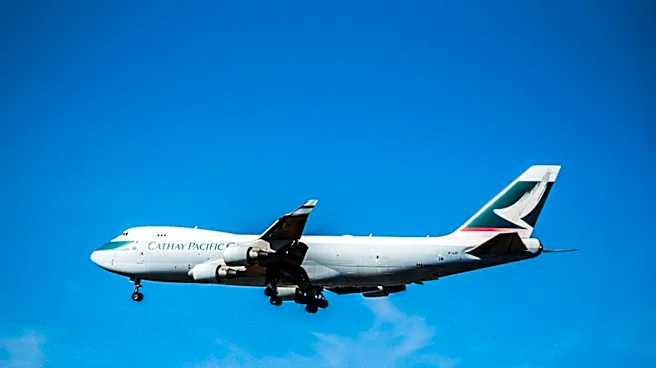
Cathay Pacific Airways, a Hong Kong-based carrier, has extended the cancellation of its flights to Dubai and Riyadh until January 31 of next year. This decision comes amidst ongoing uncertainty in the Middle East. Similarly, Singapore Airlines has announced
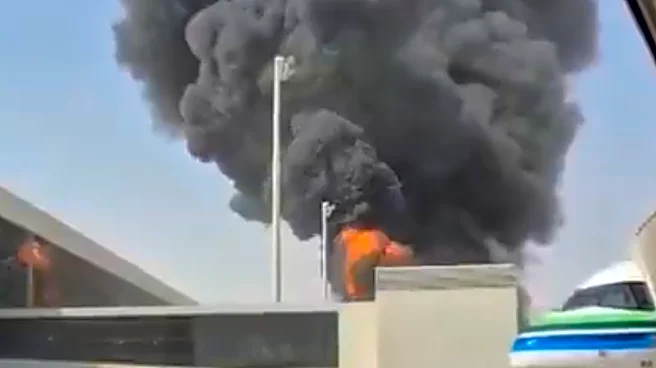
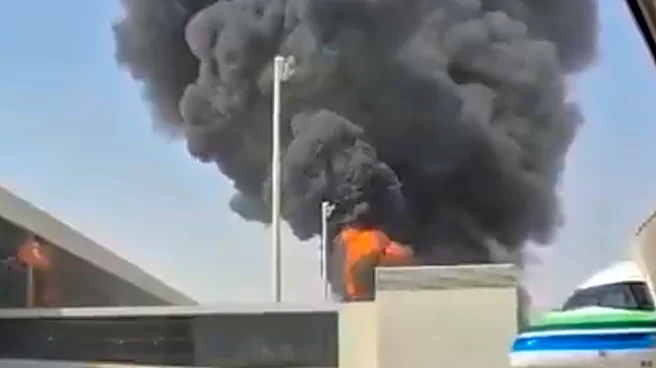
that flights between Singapore and Dubai will remain canceled until December 1, and Scoot has extended cancellations on its Singapore-Jeddah route until December 2. Singapore Airlines also postponed the launch of its services to Riyadh until March 28 next year, citing the conflict in the region. The situation in Riyadh has been particularly volatile, with reports of attacks at its international airport, leading to multiple shutdowns and restarts of operations, making it unsafe for air travel.
Why It's Important?
The extended flight cancellations by major Asian carriers like Cathay Pacific and Singapore Airlines highlight the significant impact of geopolitical instability on global air travel and commerce. For U.S. businesses and travelers, this could mean disruptions to supply chains, increased travel times, and higher costs for routes connecting through or to the Middle East. The uncertainty in the region affects not only direct flights but also connecting routes, potentially causing ripple effects across the international aviation network. The decision by these airlines underscores a cautious approach to passenger and crew safety, which could set a precedent for other international carriers operating in or near conflict zones. This situation also reflects the broader economic and logistical challenges posed by regional conflicts, impacting trade and tourism.
What's Next?
Travelers with existing bookings on Cathay Pacific or other affected airlines to Dubai, Riyadh, or Jeddah are advised to contact their respective airlines immediately to understand their options, which may include rebooking or refunds. The airlines will likely continue to monitor the security situation in the Middle East closely, and further extensions or adjustments to flight schedules could occur if the instability persists. The ongoing conflict and its impact on airport operations in Riyadh suggest that a return to normal flight services may not happen until there is a significant de-escalation of tensions. Other airlines may also re-evaluate their routes and schedules to the region, potentially leading to broader changes in international flight connectivity.
Beyond the Headlines
The prolonged flight cancellations to the Middle East by Asian carriers reveal a deeper concern about the long-term viability and safety of air travel in regions affected by geopolitical conflicts. This situation could prompt a re-evaluation of risk assessment models for airlines and insurance providers, potentially leading to higher premiums or more stringent operational guidelines for flights over or into conflict zones. Furthermore, it highlights the vulnerability of global transportation networks to regional instability, emphasizing the interconnectedness of international security and economic activity. The decision by these airlines also reflects a growing trend where commercial entities are forced to adapt to complex geopolitical landscapes, impacting their operational strategies and financial outlooks.