





What's Happening?
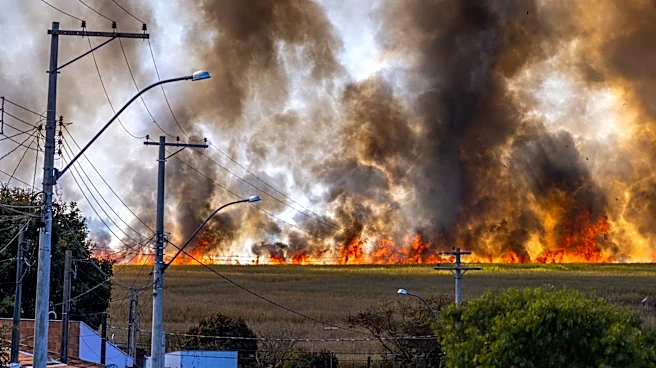
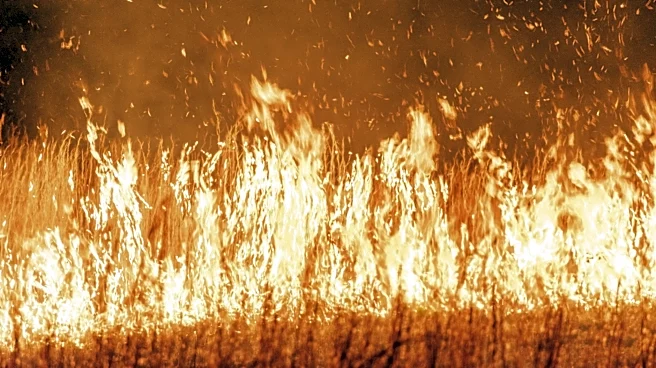
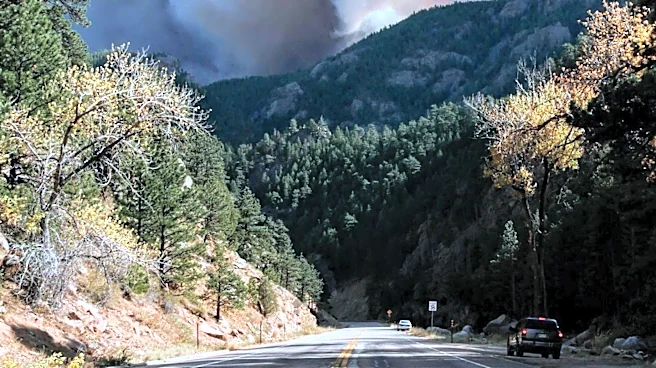
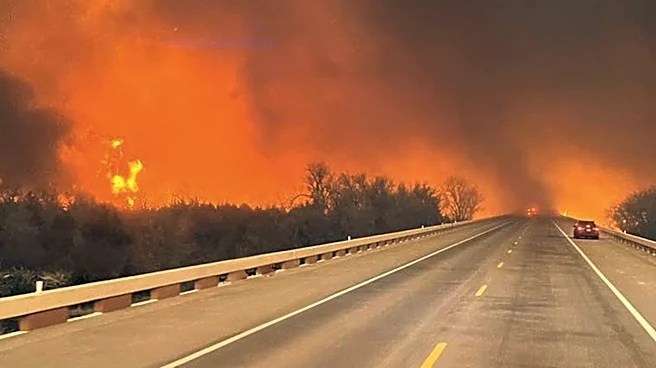
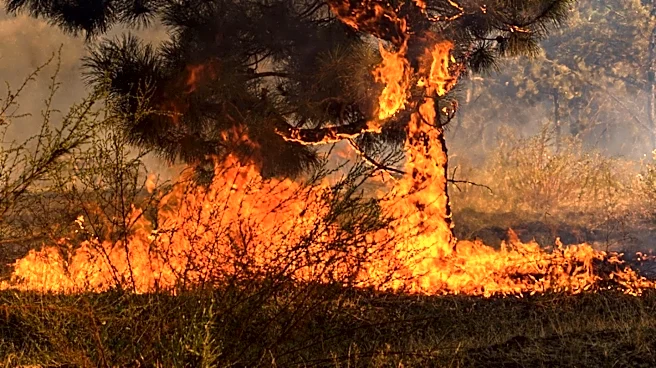
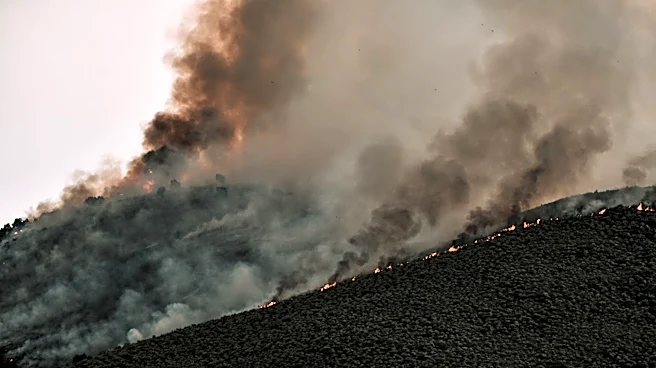
Oregon is facing a significant wildfire crisis, with over a million acres burning across the state. The fires are overwhelming suppression efforts due to continuous fuel, drought, and wind conditions. The situation is exacerbated by the lack of effective
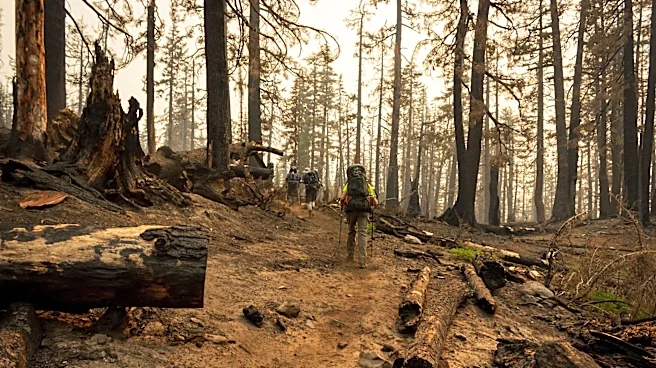
forest management, as firefighting budgets far exceed those for preventive measures like thinning and controlled burns. The fires have merged into massive complexes, creating a challenging environment for firefighters. The current approach to wildfire management is proving insufficient, highlighting the need for a shift towards more proactive strategies.
Why It's Important?
The wildfires in Oregon illustrate the limitations of current firefighting strategies and the need for a more sustainable approach to forest management. The high costs of suppression efforts, coupled with the increasing frequency and intensity of fires, pose significant economic and environmental challenges. The situation calls for a reevaluation of resource allocation, emphasizing preventive measures over reactive ones. This shift is crucial for reducing the long-term impact of wildfires on communities and ecosystems.