




What's Happening?
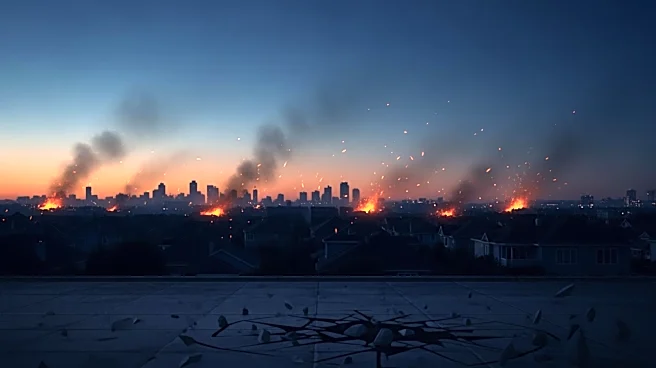
Human rights organizations, including Human Rights Watch and Amnesty International, along with The New York Times, have reported that Israel has used white phosphorus in civilian areas in Lebanon. This chemical, known for causing severe burns and respiratory
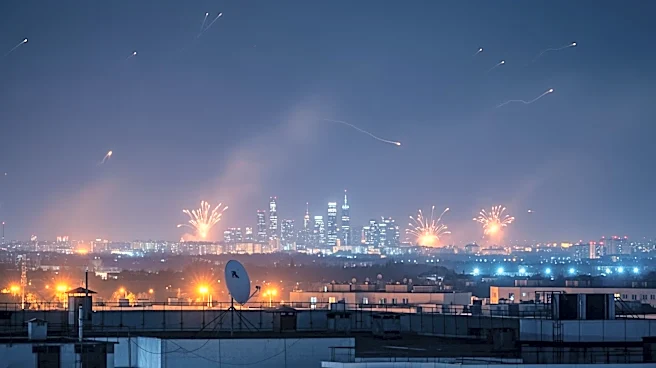
issues, was allegedly used in the town of Nabatieh and other locations. The use of white phosphorus is not banned under international law, but its deployment in populated areas is prohibited due to the potential for widespread harm. Israel has denied using the chemical in a manner that violates international law. The reports come amid ongoing tensions between Israel and Hezbollah, with recent airstrikes resulting in casualties, including members of the Lebanese military.
Why It's Important?
The allegations against Israel have significant implications for international law and human rights. The use of white phosphorus in civilian areas is a contentious issue, as it can cause indiscriminate harm and long-term injuries. This situation highlights the ongoing conflict in the region and the challenges of enforcing international humanitarian laws. The accusations could affect Israel's international relations and its standing in the global community, particularly concerning human rights practices. Additionally, the involvement of the U.S., which reportedly supplied the white phosphorus, may also draw scrutiny and impact diplomatic relations.
What's Next?
The international community may call for investigations into the use of white phosphorus in Lebanon. Human rights organizations are likely to continue monitoring the situation and advocating for accountability. The ongoing conflict between Israel and Hezbollah could see further developments, potentially influencing regional stability. Diplomatic efforts may be necessary to address the allegations and prevent further escalation. The situation may also prompt discussions on the regulation and use of incendiary weapons in conflict zones.
Beyond the Headlines
The use of white phosphorus raises ethical questions about the conduct of military operations in populated areas. It underscores the need for stricter enforcement of international laws designed to protect civilians during conflicts. The situation also reflects broader geopolitical tensions in the Middle East, where historical grievances and power dynamics continue to fuel conflicts. The involvement of major powers, such as the U.S., in supplying military resources adds another layer of complexity to the issue, highlighting the interconnected nature of global arms trade and its implications for human rights.